
That's La Plagne contains affiliate links and is a member of the Amazon affiliate program. If you make a purchase using one of these links, I may receive a small commission - at no extra cost to you. I never recommend anything I haven't experienced myself, and the commission helps me keep this site running at full speed! See my Disclosure Policy for extra information.
Is La Plagne Snow Sure? Snow Conditions & Weather Guide
Planning a ski trip with the family can feel like a full-time job! Between booking accommodation, sorting ski lessons, and trying to find enough kit to keep everyone warm and happy. And just when you think you've got everything covered, the dreaded question pops up: what if there’s no snow?
I live in La Plagne all year round with my family, and I know exactly how important it is to get honest, clear info when you're planning a ski holiday. So if you're wondering how snow sure La Plagne is, when the best time to go is, or how to keep up with snow reports, this guide is for you.
Let’s take the stress out of it.
Is La Plagne snow sure?
In short, yes. La Plagne is one of the most snow-sure ski resorts in the French Alps.
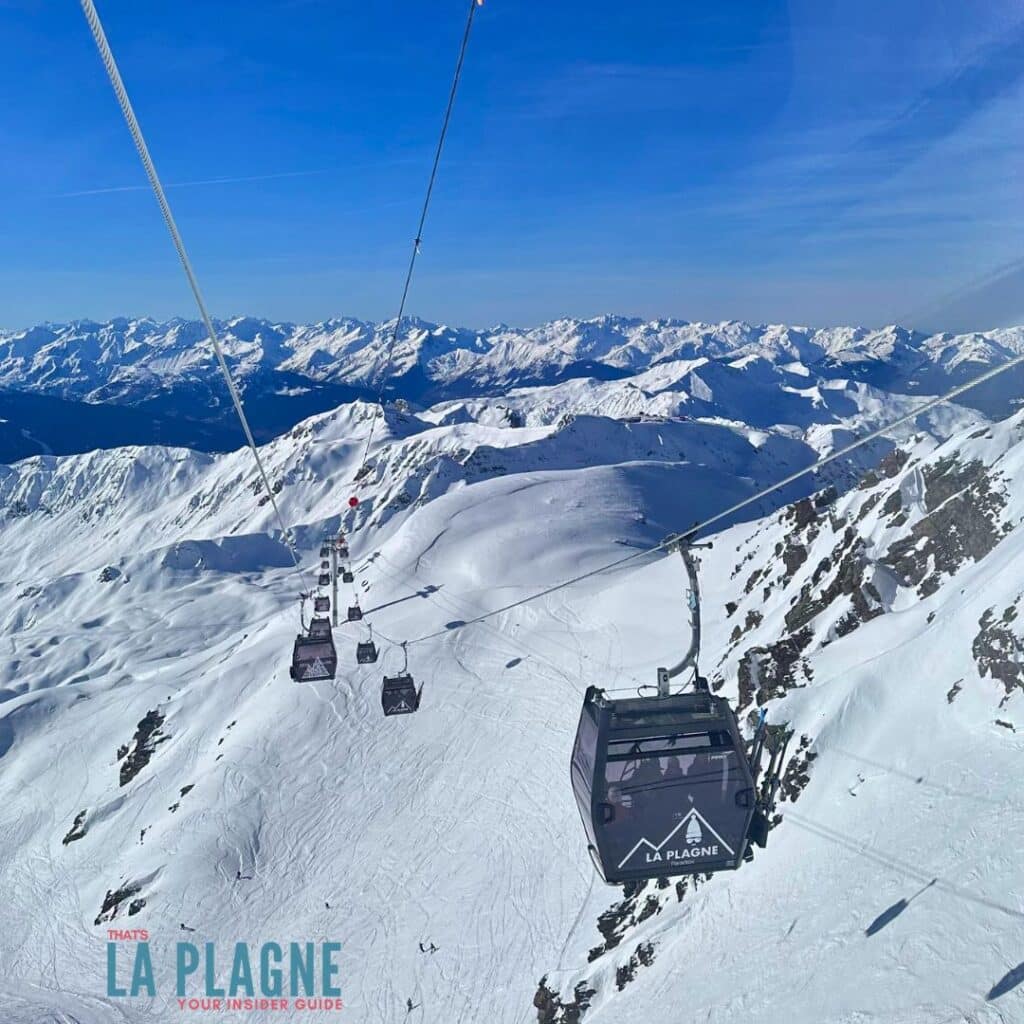
Thanks to its high altitude and variety of north-facing slopes, La Plagne offers reliable snow coverage from mid-December through to late April. The resort’s highest point sits at 3,250m on the Bellecôte Glacier, and over 70% of the ski area is above 2,000m, which makes a big difference when temperatures start to fluctuate.
Here’s what helps La Plagne stay snow sure:
- The main ski villages sit between 1,800m and 2,100m.
- Most of the pistes are north-facing, which helps preserve snow.
- There’s an extensive snow-making network with over 500 snow cannons across the resort.
From living here, skiing every week of the winter season, and reporting live from the slopes every week, I can say with confidence that La Plagne does a brilliant job of keeping the pistes in great condition, even when natural snowfall is a bit shy.
First-time ski holidays?
Wondering is La Plagne a good ski resort? In this video, I answer one of the questions I'm asked most often, covering who will love La Plagne, what it's famous for and the things you should know before booking your holiday.
What are the snow conditions like in La Plagne
Let's talk snow! If you know the mountains, you know the snow conditions can change rapidly! But don't worry, I've got you covered.
Which is why you won't see this blog post updated. What I do to keep the reports more authentic and real is to report weekly from the La Plagne ski slopes.
For the most up-to-date details on whether we're seeing powder perfection or if the slopes are leaning more toward the packed side, head over to my dedicated page for live snow forecasts. I report directly from the pistes of La Plagne, ensuring you have the latest information at your fingertips.
You can catch the La Plagne snow reports live on my Instagram channel every weekend. I also share highlights and stories almost daily on Instagram and Facebook from the slopes and across La Plagne. These will give you real-time snapshots of the current La Plagne piste and snow conditions.
Snow conditions month by month in La Plagne
Snow sure conditions in La Plagne vary slightly depending on the time of year and which village you're staying in. Here's a quick breakdown based on what I see season after season:
| Month | Snow Conditions | My Take |
|---|---|---|
| December | Early snow – good at higher altitudes | Aim for Plagne Centre, Belle Plagne or Bellecôte |
| January | Cold and snowy – great piste conditions | The best for powder days |
| February | Deep snow, busy half-term weeks | Excellent coverage. Plan ahead; we are very busy! |
| March | Snowy mornings and sunny afternoons | My favourite month to ski. Softens up in the afternoons. |
| April | Spring snow – soft in the afternoons | Stay high for the best conditions. |
If you're travelling early or late in the season, I’d always recommend sticking to high-altitude villages. Belle Plagne, Plagne Centre, and Bellecôte hold their snow much better than the lower areas like Montchavin or Montalbert.
Weather and snow forecast
When you’re planning a family ski trip, the snow forecast can feel like the thing that makes or breaks it.
As a mum who lives here year-round, I don’t rely on one app. I check a handful of sources – and I focus on the next few days, not two weeks ahead.
Here’s exactly what I use. But PSA, you can just follow That's La Plagne Instagram and see what the summary of all the below is!
Avalanche reports & mountain weather
For official avalanche risk and mountain forecasts, I check Météo-France.
This is the one ski professionals use. It gives:
- Avalanche risk level (1–5 scale)
- Snowpack conditions
- Temperature and wind forecasts
- Detailed mountain-specific info
It’s more technical, but if avalanche risk is high, this is where you’ll see it first.
If you’re sticking to marked pistes (like most families), avalanche risk won’t directly affect you. But it can impact lift openings higher up.
Live Lift & Piste Openings
For real-time lift and piste status, I check the official La Plagne lift bulletin.
This shows:
- Which lifts are open
- Which pistes are open/closed
- Wind-related closures
- Updates throughout the day
If it’s windy or snowing heavily, this is the one to check over breakfast.
Piste Map & Ski Pass Info
The official ski pass site has the interactive piste map and updates linked to the lift system.
It’s helpful for:
- Checking which sectors are connected
- Seeing if higher altitude runs are open
- Planning your day if you’re skiing with kids and want to avoid long lift chains
La Plagne Webcams (My Reality Check)
If you want instant reassurance, nothing beats the webcams.
I’ve pulled together all the La Plagne webcams here.This is honestly what I check most for day to day images because:
- You can see the snow coverage
- You can see if it’s snowing right now
- You can check visibility
- You can compare lower villages vs higher altitude
Sometimes the forecast looks dramatic… and the webcams show a calm bluebird day. Or the forecast says “light snow,” and it’s absolutely dumping. Webcams tell the truth.
Road Conditions
If you’re driving up the mountain, always check Savoie Route.
It shows:
- Snow clearance updates
- Road closures
- Chain requirements
After heavy snowfall, this is essential.
Local Updates
For hyper-local updates, Radio La Plagne often shares:
- Snow news
- Weather alerts
- Event changes
It’s surprisingly helpful during stormy weeks.
How I Personally Use All This
About 5–7 days before guests arrive, I start checking forecasts.
But I only really trust:
- The next 48–72 hours for accuracy
- The lift bulletin on the day itself
- The webcams for instant clarity
Long-range forecasts change constantly in the mountains.
And here’s the honest truth: La Plagne is one of the most snow-sure resorts in the Alps because of its altitude. Even if lower villages look a bit green early season, the higher sectors are usually absolutely fine.
There are lots of other snow predictors and weather apps; find the one that works for you. These tools are your window into La Plagne's ever-changing skies, providing real-time updates on several crucial weather elements. Here's a quick guide on how to read them:
Top tip for families: Start checking snow reports about a week before you travel. It helps you know whether to pack extra thermals or waterproof layers and gives you time to prep the kids for what to expect.
How to Check La Plagne Snow Reports
Snow reports can feel a bit technical at first glance. But once you know what to look for, they’re one of the best tools for planning your ski days. Whether you're wondering what layers to dress the kids in or which part of the mountain to aim for, understanding how the different indicators work together will give you a clearer sense of what to expect.
Here’s a quick guide to reading La Plagne’s snow reports like a pro:
- Wind Chill: This is a key factor, especially in a high-altitude resort like La Plagne. The wind chill effect can make the air feel much colder than the actual temperature, affecting your choice of thermal wear. Always dress warmer than the forecast suggests if a significant wind chill is expected.
- Forecasted Snowfall: The amount of snow forecasted to fall over the next few days is, without a doubt, one of the most exciting pieces of information for any skier or snowboarder. This not only tells you about the potential for fresh powder but also helps you anticipate the conditions you'll be playing in.
- Minimum and Maximum Temperatures – in °C: These temperatures are crucial for planning your day. Morning temperatures can dictate the firmness of the snow, while the afternoon max can give you an idea of how much the snow might soften up. Plus, knowing the temperature range helps in layering clothes appropriately for comfort and safety.
- Freeze Level: This indicates the altitude at which the temperature is at the freezing point, affecting snow conditions across different parts of the mountain. If the freezing level is high, lower slopes may have softer, slushier conditions, while higher altitudes maintain firmer snow. This can help you decide where to ski based on your preferences and the time of day.
Understanding these elements can dramatically enhance your skiing experience in La Plagne. So, before you zip up your ski jacket and head out, take a moment to check our weather widgets. They're your best tool for making the most of every moment on the mountain, ensuring that you and your family can focus on what really matters – creating unforgettable memories on the slopes.
View the detailed snow forecasts for La Plagne at: snow-forecast.com
La Plagne Valley: 1250 m

View detailed snow forecast for La Plagne at:
snow-forecast.com
Mid La Plagne: 2250 m
View detailed snow forecast for La Plagne at:
snow-forecast.com
La Plagne Glacier: 3250 m
View detailed snow forecast for La Plagne at:
snow-forecast.com
The first thing you need is this
Get my La Plagne deals straight to your inbox:
- Transfer codes
- Accommodation deals
- Ski lesson sales
- Ski hire offers
What the La Plagne Weather Means for Your Ski Trip
Weather plays a pivotal role in shaping your ski holiday experiences. Remember, the weather is never going to be perfect every day of the week! But knowing what the weather is forecast to be helps you plan accordingly and make the most out of your time in La Plagne. My family and I have had some of our best days on the ski slopes when it’s been foggy and grey, but the slopes have been totally empty!
Different temperatures and conditions bring their unique challenges and joys. But they all come together to make life in the mountains what it is.
Plus, I’ve created several guides to help you get the most out of skiing in La Plagne in all weather and snow conditions. Just follow the links below for the secret insider tips you need – shhh! Don’t share them with everyone!
- Ice: Cooler temps often lead to icier slopes, making for faster and more thrilling descents. Check out my popular guide on skiing on ice to keep your edges sharp and your turns tight.
- Fog and Whiteouts: Skiing in low visibility demands caution and a bit of know-how. My tips on navigating foggy, whiteout conditions around La Plagne will help you stay safe while enjoying the mystery of the mountains.
- Slush: Warmer weather can soften the snow, creating slushy conditions. While it's a different feel underfoot, my advice on skiing in slush will have you carving through it like a pro.
- Month by Month: For a detailed breakdown of what to expect during your La Plagne ski trip, my month-by-month guide to skiing conditions is your go-to resource for planning the perfect trip.
Safety Tips and Reminders
Above all, safety is key. The mountains are as unpredictable as they are beautiful, so always check the latest weather updates before setting out. Equip yourself and your family with the knowledge and gear to tackle whatever conditions the day may bring. And remember, a safe day on the slopes is a happy day.
Family ski safety: top tips and advice from the experts.
Here, you’ll find a selection of posts all about ski safety. From how to dress your kids to what to wear in different temperatures and the Piste X Code.
That's La Plagne & Weather Forecasts
So, is La Plagne snow sure? Absolutely! And when you know how to read the snow reports and forecasts properly, you can make the most of every snowy moment up here.
Top tips to keep in mind:
- Check the snow report regularly in the run-up to your trip—it helps you plan your ski days and pack smarter.
- Focus on the freeze level and forecasted snowfall to understand what conditions you’ll get across different altitudes.
- La Plagne’s high-altitude villages like Belle Plagne and Bellecôte give you the best snow reliability, especially early or late in the season.
- Use webcams and trusted sources for live updates – don’t just rely on one app or forecast.
Whether you're carving first tracks or chasing spring sunshine, a bit of snow-savvy planning can turn your family ski holiday into something truly memorable.
See you on the slopes!
Is La Plagne Snow Sure? All your FAQs Answered.
Is La Plagne snow sure?
Yes, La Plagne is considered one of the most snow-sure resorts in the French Alps. With most of its ski area above 2,000m and a glacier reaching 3,250m, it consistently offers good snow conditions throughout the season.
La Plagne weather forecast 14 day – where can I find it?
Websites like Snow-Forecast.com and the official La Plagne site offer reliable 7–14 day forecasts. Just keep in mind, anything more than a week out is more of a trend than a guarantee. Always check closer to your travel date for accuracy.
Does La Plagne have snow-making?
Yes, La Plagne has over 500 snow cannons covering key pistes. This means that even in drier weeks, the resort can maintain good coverage, especially on runs leading back to the main villages.
What’s the snowiest month in La Plagne?
February usually sees the most snowfall, making it a prime time for powder days, though January and early March are often close behind.
Can I trust the La Plagnne snow forecast a week before my trip?
Generally, yes. Mid-season forecasts tend to be more accurate, especially 3–5 days out. I recommend checking a few sources and using webcams for real-time visuals.
