
That's La Plagne contains affiliate links and is a member of the Amazon affiliate program. If you make a purchase using one of these links, I may receive a small commission - at no extra cost to you. I never recommend anything I haven't experienced myself, and the commission helps me keep this site running at full speed! See my Disclosure Policy for extra information.
10 tips to find Adaptive Ski friendly ski resorts
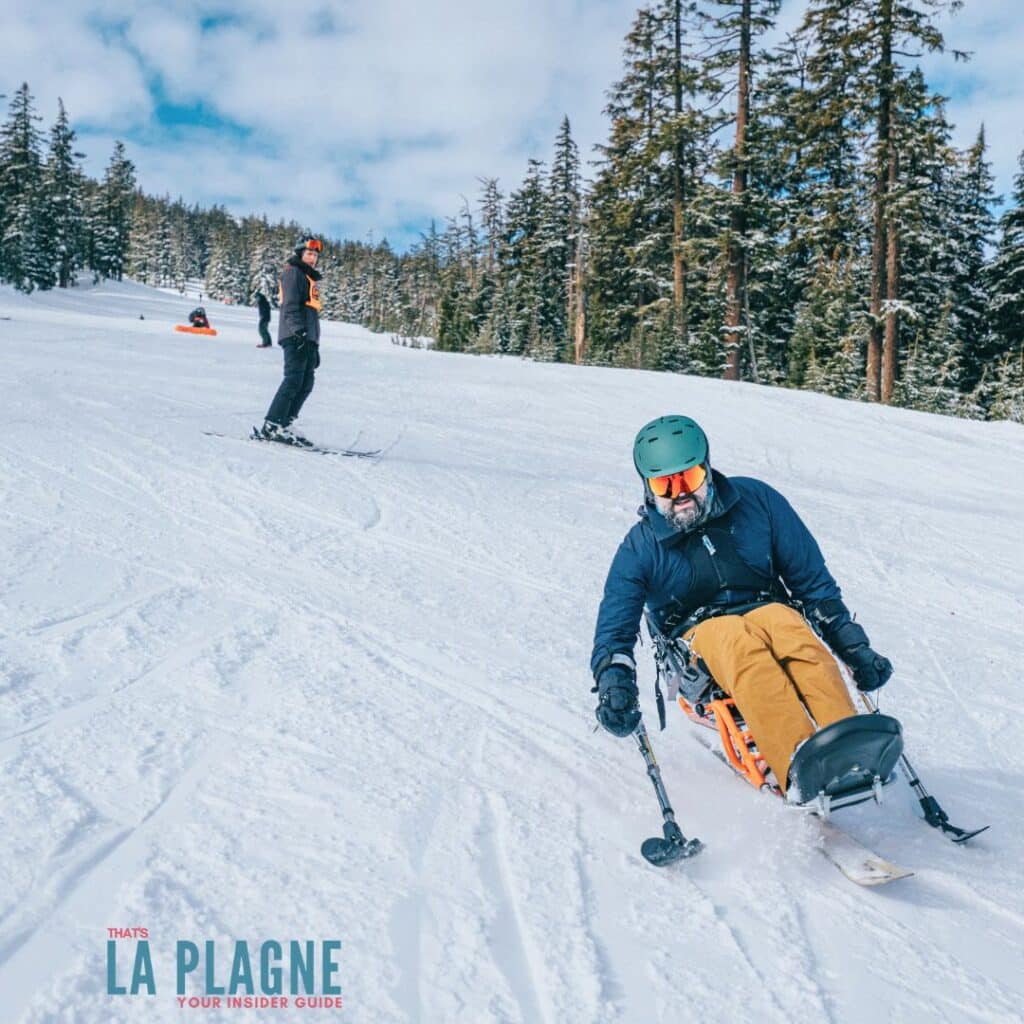
Embarking on a skiing adventure is an exhilarating prospect for many, but for individuals with physical disabilities, the prospect of hitting the slopes can present unique challenges. Enter adaptive skiing – a transformative practice that opens up the world of winter sports to people with mobility impairments.
Whether you're someone with a disability seeking the thrill of the downhill rush or you're planning a trip with a differently-abled friend or family member, finding the right ski resort can make all the difference. In this guide, I'll explore ten invaluable tips to help you identify adaptive ski-friendly resorts, ensuring an inclusive and enjoyable experience for everyone. From understanding the essence of adaptive skiing to practical considerations like equipment rentals and trained instructors, let's navigate the snowy landscape of accessible winter sports together. Whether you're a seasoned adaptive skier or a first-timer, these insights will pave the way for memorable moments on the slopes.
The first thing you need is this
Get my La Plagne deals straight to your inbox:
- Transfer codes
- Accommodation deals
- Ski lesson sales
- Ski hire offers
What is Adaptive Skiing?
Adaptive or handi-skiing, also known as taxi-ski or sit-skiing, is a form of skiing designed for individuals with physical disabilities. It allows people with mobility impairments to experience the thrill and joy of skiing with the help of adaptive equipment. Handi-skiing can be adapted for various levels of disability, including those with limited or no use of their legs.
Key features of handi-skiing include:
Adaptive Equipment: Handi-skiing involves the use of specialised equipment to accommodate the skier's specific needs. The most common adaptive equipment is the sit-ski, which is a specially designed seat mounted on skis. Sit skis come in various forms, such as bucket-style seats or frames that support the skier in a sitting position.
Assistance from Guides: Skiers with disabilities may require assistance from trained guides or instructors. These guides help with getting on and off lifts, navigating the slopes, and ensuring the safety of the skier. They may ski alongside the participant or use tethers to provide support and control.
Different Techniques: Depending on the skier's abilities and preferences, different skiing techniques may be employed. For example, some sit-skiers use outriggers (short forearm crutches with ski tips) for added balance and control. Others may use a mono-ski, which is a single ski with a seat mounted on top.
Inclusive Ski Resorts: Many ski resorts are becoming more inclusive and accommodating to individuals with disabilities. They offer adaptive skiing programs, accessible facilities, and trained staff to ensure that people with disabilities can enjoy the slopes.
Competitive Handi-skiing: Handi-skiing is not only a recreational activity but also a competitive sport. Adaptive skiing competitions are held at various levels, from local events to international competitions. Athletes with different disabilities participate in events, showcasing their skill and determination.
Handi-skiing provides a valuable opportunity for individuals with physical disabilities to engage in a challenging and rewarding outdoor activity. The development of adaptive skiing equipment and programs has significantly expanded the accessibility of winter sports for people with disabilities.
How to figure out if a ski resort is adaptive-ski friendly?
Determining if a ski resort is adaptive ski-friendly involves checking for specific features, services, and accommodations that cater to individuals with disabilities. Here are some indicators to help you assess the adaptability of a ski resort:
- Adaptive Ski Programs: Check if the ski resort offers adaptive ski programs. These programs are designed to provide instruction, equipment, and support for individuals with various disabilities. Resorts with dedicated adaptive ski schools or programs are more likely to be accommodating.
- Equipment Rentals: Ensure that the resort has adaptive ski equipment available for rent. This may include sit-skis, mono-skis, outriggers, and other specialized gear. A variety of adaptive equipment options indicates a commitment to inclusivity.
- Trained Instructors: Inquire about the availability of instructors who are trained in adaptive skiing techniques. A ski school with instructors knowledgeable about teaching individuals with disabilities is a positive sign.
- Accessible Facilities: Check if the resort has accessible facilities, including wheelchair ramps, adaptive bathrooms, and other amenities that make it easier for individuals with mobility challenges to navigate the resort.
- Lift Accessibility: Confirm that the ski lifts are equipped to accommodate individuals with disabilities. Some resorts have accessible lifts or staff members trained to assist individuals with loading and unloading.
- Information on the Website: Look for information on the ski resort's official website about their adaptive skiing services and facilities. Resorts that prioritise adaptive skiing are likely to provide detailed information online.
- Contact the Resort Directly: If you have specific questions or concerns, don't hesitate to contact the resort directly. Speak with someone in customer service or the ski school to get information about the adaptability of the resort for individuals with disabilities.
- Feedback and Reviews: Check online reviews or forums for feedback from individuals with disabilities who have visited the resort. Positive reviews regarding adaptive ski services and inclusivity are good indicators.
- Partnerships with Adaptive Organisations: Some resorts may have partnerships with adaptive skiing organizations or foundations. These collaborations often signify a commitment to providing adaptive skiing opportunities.
- Lift passes: A lot of ski resorts now have reduced rates for adaptive and disabled skiers. Again, check with your specific ski resort. Typically, you will find that ski passes are reduced to 50%, plus a 50% discount for any carer that you need to travel with. You will usually have to buy the ski pass in the resort and provide confirmation of your situation, e.g., in the UK, this would be a blue disabled badge.
That’s La Plagne & how to find the best adaptive ski resort
Consider these factors, and ask these questions of the ski resort you want to travel to. It will help you get a better understanding of whether a ski resort is adaptive, ski-friendly, and suitable for individuals with disabilities. Keep in mind that the level of adaptability can vary among resorts, so it's a good idea to gather as much information as possible before planning your visit.
My top tips are to:
- Communicate directly with the ski resort
- Find and join any local ski resort groups and speak to the locals
- Get in touch with local ski schools and ask about their equipment and instructors' qualifications
Don't forget to check out this blog post: Adaptive Skiing 10 Reasons to ski in La Plagne.
Happy skiing – and see you on the slopes!
