
That's La Plagne contains affiliate links and is a member of the Amazon affiliate program. If you make a purchase using one of these links, I may receive a small commission - at no extra cost to you. I never recommend anything I haven't experienced myself, and the commission helps me keep this site running at full speed! See my Disclosure Policy for extra information.
From Application to Employment: How to Work a Ski Season
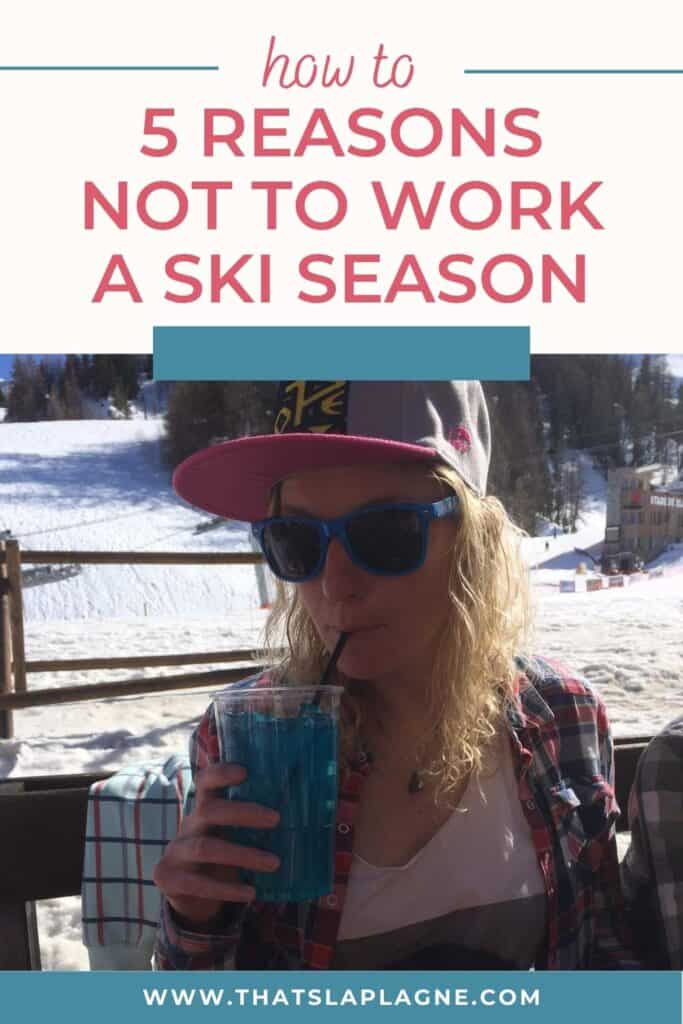
Working a Ski Season: What You Need to Know
Working a ski season can be a thrilling and rewarding experience, but it takes careful planning and preparation, especially for UK nationals wanting to work in French ski resorts post-Brexit. From finding job opportunities to packing the right gear, I've created this guide that will help you navigate the ins and outs of working a ski season and make the most of your winter adventure.
I worked my first ski season in 2005, and I never left the mountains! I fell in love with the ski season lifestyle and made my home in La Plagne. I've worked in the hospitality industry since then, working my way up from a seasonnaire, to management roles, and now I work as a freelance social media manager for several ski and snow sports companies.
So I really do have the inside track on everything you need to know about how to work a ski season this winter.
Is working a ski season right for you?
If you’re reading this, you’ve clearly got some interest in working a ski season. And, having arrived to work “just one ski season” nearly 20 years ago and never left, I can attest to the fact that it can be one of the best times of your life.
Working a ski season can be a dream come true for those who love the mountains and outdoor activities. From skiing and snowboarding in the winter to mountain biking and hiking in the summer, there's always something to do. But it's not just the activities that make working a ski season so appealing. The sense of community and camaraderie among staff and guests alike is a unique and rewarding experience.
But it does require a different mindset than working in a typical city or town. In mountain towns, the pace of life is faster and more hectic, with season workers pulling long work shifts, skiing as much as possible and also socialising and heading to après ski whenever possible.
To work a ski season, it's important to embrace this lifestyle and be prepared for the challenges and rewards that come with it. Whether you're working as a chalet host, childcare staff or a chef, you'll be part of a tight-knit community that values hard work, outdoor adventure, and a positive attitude.
But as much as I love working and living in a ski resort, it isn’t for everyone. So, let's discuss the “bad stuff” about working ski seasons.
The first thing you need is this
Get my La Plagne deals straight to your inbox:
- Transfer codes
- Accommodation deals
- Ski lesson sales
- Ski hire offers
5 reasons not to work a ski season
1. Working a ski season won't make you rich
With the cost of living in ski towns being notoriously high, it can be difficult to save money while working a seasonal job. However, one of the upsides of Brexit is that UK companies have had to transition their staff onto the French payroll system. While there is lots I could say about this, for you, it means companies must pay much higher wages than the industry standard previously.
You do need to confirm with your employer what is included in your work agreement package:
- Accommodation and bills
- Food – whilst at work and outside of work
- Ski equipment hire
- Ski pass
- Travel to and from the resort

Whilst your wage may be higher than pre-Brexit, you need to know what bills and expenses you will be responsible for over your ski season.
With careful budgeting and planning, it is possible to make the most of your time on the mountain and still come out ahead financially.
2. Ski season accommodation
One of the most important things to consider when working during ski season is finding affordable accommodation. Many ski companies offer staff accommodation, which can be a great option for those on a budget. However, it's important to research the options and make sure the accommodation meets your needs.
Working a ski season often means sacrificing privacy, as accommodations are often shared with other seasonal workers. If you value your privacy, it's important to prepare yourself mentally for this possibility. Expect to share a small room with other staff members, ranging from one to three roommates. While it may not be the most luxurious living situation, it can be a great way to save money and make new friends.
It's also important to consider the location of the accommodation in relation to the ski resort and other amenities. It is also getting harder for companies to find accommodation in ski resorts as more and more landlords rent out on Air BnB and other platforms. So it is becoming more common for staff accommodations to be further out of the ski resort, making it more difficult to spend time on the mountain on your time off. An upside of this, however, is that the accommodation is cheaper, which, if you are renting, means your monthly expenses should be lower.
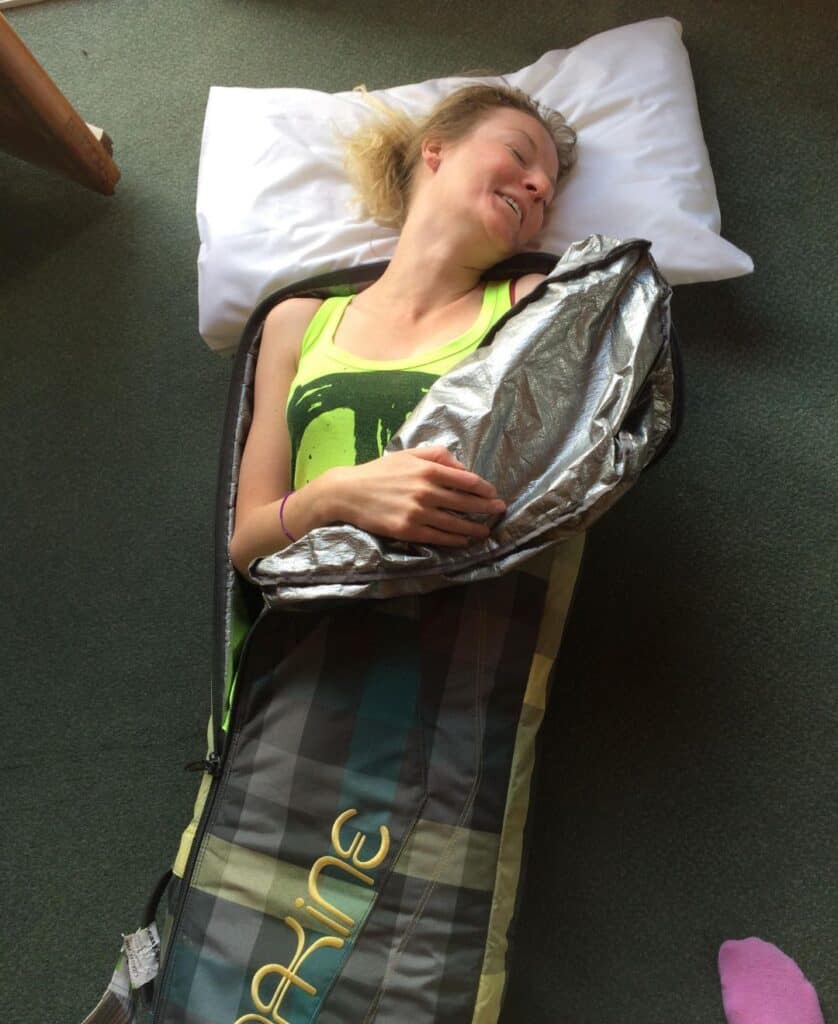
Here are a few questions to ask yourself and your landlord about your accommodation before you commit to anything:
- Where is the accommodation
- In resort or out of resort
- How close is it to the ski slopes / lifts
- How close is it to your work
- Are you sharing with other people
- Room mates or flat mates
- How many people
- What facilities are there
- Kitchen
- Ski and snowboard storage
3. Working ski seasons: physical and mental health
One of the best parts of working a season is that work, skiing, and socializing all blend together seamlessly. Your day might start early with cooking and cleaning in your chalet, but by 11 am you're out on the slopes. After a day of skiing, you'll be back in the chalet by 6:30 pm to cook dinner, and then you can meet up with friends at a bar by 10 pm. On your day off, you can choose to hit the slopes for a backcountry adventure or enjoy the resort's après-ski scene.
However, it's important to remember that constant excitement can be tiring, and it's easy to feel like you're missing out if you don't participate in everything.
Working a ski season can be an exciting and fulfilling experience, but it's important to find a balance between work and play. Ski resorts offer a variety of activities, but it's important to avoid burnout. Overworking yourself can lead to feeling overwhelmed and unmotivated, which can worsen any underlying mental health issues and increase stress levels. Remember to take breaks and prioritize self-care to ensure a successful and enjoyable ski season.
If you do have any underlying health issues, whether physical or mental, it is essential that someone in the resort is aware and can provide any help or support that you might need. Over my various seasons, I had staff who had epilepsy, were partially deaf, and were suffering from depression and other issues but never told anyone. Every single time, these issues caused larger problems for the person, from not being understood by their colleagues or managers to a deterioration in their physical or mental health.
Always find your support network, whether it's friends or a confidential conversation with your manager. Whilst the freedom of being somewhere new without any history can be addictive, it is not helpful if you find yourself in a crisis or needing emergency assistance.
4. Working away from home
Moving to a new place, especially one that is remote or difficult to access, like a mountain or ski resort, can often mean leaving behind old friends and family.
Ski resorts and mountains are breathtaking, even on a poor weather day. Spending an extended amount of time here in the mountains can change your perspective, priorities, and core values. I was on the way to a London city job before I did my first season. Now, my priorities are the quality of life over the quality of my car or the size of my house.
Whilst these lifestyle changes aren't “bad,” they can mean your life is moving in a different direction from your old friends or family at home. It can make it difficult for your home friends to really understand what you're doing. I've lost track of the number of times I've been asked, “When are you going to get a real job?”.
For me, heading home after ski season and finding family and friends still watching the same plotlines of the same TV shows prompted me to head off again pretty quickly to work a summer season… and then “just one more ski season!” Which brings me to my final point.

5. You'll never want to return to “real life”
Working a ski season is a thrilling and rewarding experience, but it's important to remember that it's usually not a permanent lifestyle. Unless, like me, you decide never to head home and move permanently to your favourite ski resort!
The rush of working in a holiday environment at a fast pace of life is addictive and usually leads to seasonnaires doing more seasons than they expected.
Eventually, you'll need to transition back to a more traditional job. However, the allure of the mountain lifestyle can be strong, and many people find themselves returning for “just one more” season.
Just be sure to think ahead and have a plan for when the season ends. Also, be aware that whilst on ski seasons, we often take on large workloads and incredible amounts of responsibility; employers outside of the ski season life do not understand this. So whilst you might have been a bar manager in a ski resort, it's unlikely that UK employers will view your experience as comparable o managing a bar in the UK. Unfair, I know, but it is the reality. However, you will have an incredible amount of transferable skills, such as:
- Project management
- Team working
- Crisis management
- Decision managing
- Language and communication skills
That's La Plagne & 5 reasons why you shouldn't work a ski season
Of course, I'm joking when I say you shouldn't work a ski season. However, there are serious implications of heading off to the mountains for 6 months that you do need to think about. So if you have any questions, drop me a comment below or send me a message on any of my socials, and I'll be happy to help!
And if I haven't put you off, check out the next steps in my guide on how to work a ski season this winter.
Read the next steps in the “How to work a ski season” series



3 Comments