
That's La Plagne contains affiliate links and is a member of the Amazon affiliate program. If you make a purchase using one of these links, I may receive a small commission - at no extra cost to you. I never recommend anything I haven't experienced myself, and the commission helps me keep this site running at full speed! See my Disclosure Policy for extra information.
Is Snowboarding Safe for Kids? What Parents Need to Know
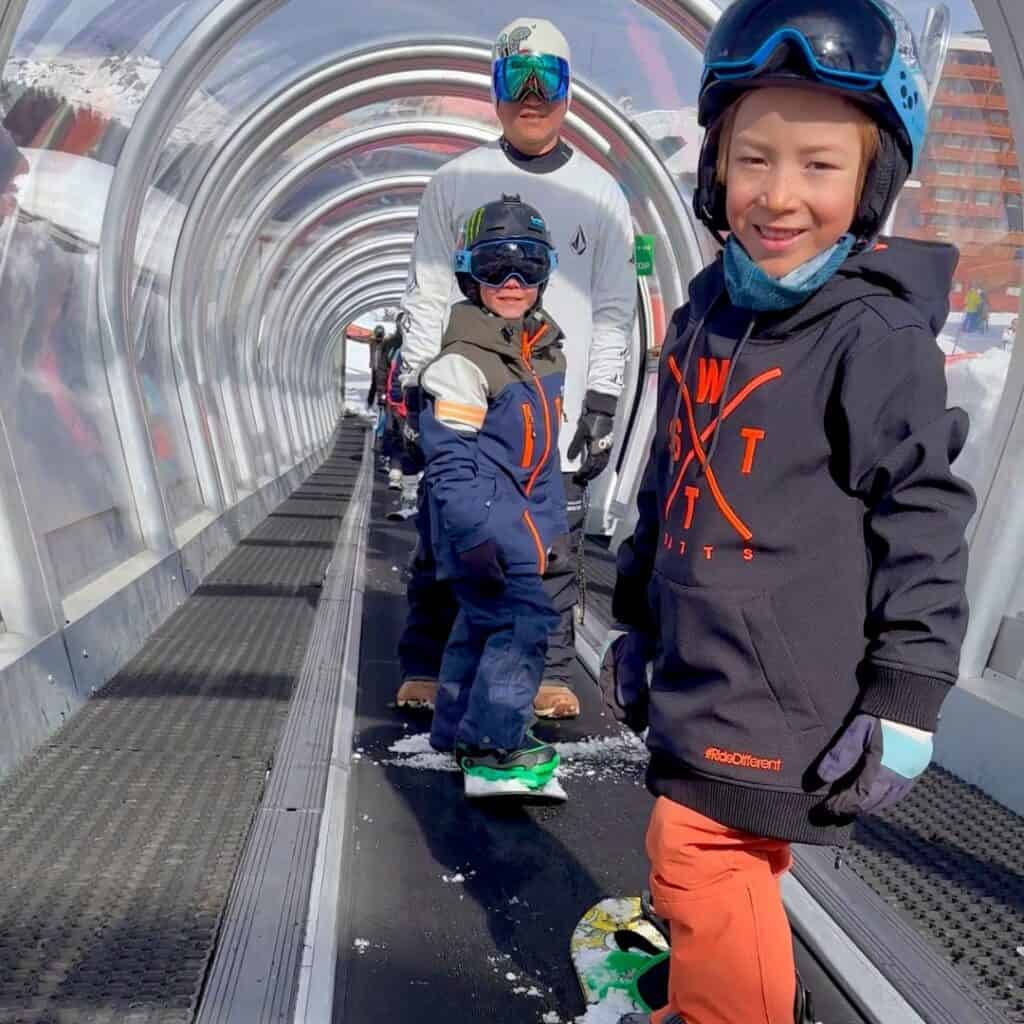
If your child has announced they want to try snowboarding this winter, you're probably feeling a mix of excitement and hesitation. It sounds cool and adventurous. But then the questions start creeping in. Is snowboarding safe for kids? Will they get hurt? Is it more dangerous than skiing?
As a mum raising my family in La Plagne – one of the most family-friendly ski resorts in the French Alps – and a snowboarder myself, I’ve had these same worries. And I’ve spoken to countless other parents who are feeling exactly the same. The good news? Snowboarding can absolutely be safe for children, especially with the right approach, equipment, and instruction.
In this guide, I’ll walk you through what the risks really are, how to prevent them, and why snowboarding is still a brilliant option for kids who are ready to give it a go.
Is Snowboarding Safe for Kids?
The short answer is yes, snowboarding is safe for kids when it's introduced in the right way. Like any sport, it comes with some risk. But when your child is learning under proper supervision, wearing protective gear, and riding in a supportive environment, those risks can be managed very effectively.
What often makes parents nervous is that snowboarding usually involves more falls than skiing, particularly at the beginning. That’s true because of the sideways stance and the need for better balance, beginner snowboarders do fall more frequently. But those falls are typically low-speed and happen on soft, well-maintained slopes. With a helmet and a few extra bits of protection (which I’ll cover below), most falls are harmless and part of the learning process.
So while snowboarding can look riskier than skiing from the outside, especially in those early lessons, it’s not necessarily more dangerous, just different.
Thinking about La Plagne for your snowboarding holiday?
If your family includes snowboarders as well as skiers, I've put together a video on whether La Plagne is good for snowboarders. It covers the different areas of the resort and who will get the most out of riding here.
Understanding the Most Common Snowboarding Injuries in Kids
The most common snowboarding injuries in children are surprisingly simple: wrist sprains, bruised bottoms, and the occasional head bump. Let’s break that down a bit.
Wrist injuries are the number one issue for beginners. When kids fall backwards, which happens often when they’re learning, their natural instinct is to stick their hands out to catch themselves. That’s where sprains or even fractures can happen. Luckily, this is one of the easiest problems to prevent. Wearing wrist guards significantly reduces the risk, and they’re easy to wear, comfortable, and widely available to rent or buy.
Next on the list are bruises to the tailbone and bum. Snowboarding beginners spend a lot of time sitting down, especially when they’re learning how to stop or stand up. Falls onto hard-packed snow can leave kids sore and fed up. But again, there’s a simple solution. Padded shorts, or “impact shorts”, add a cushion in all the right places and can make a massive difference in how comfortable your child feels after a few tumbles.
Lastly, there’s the risk of a knock to the head. While these are rare in beginner areas, a helmet is absolutely essential. It’s non-negotiable, and most ski schools will require one anyway.
When you think about it, the majority of common injuries can be prevented with just three pieces of kit: a helmet, wrist guards, and padded shorts. That’s a small investment (or rental fee) for a big boost in safety and peace of mind.
How Snowboarding Lessons Help Keep Kids Safe
If there’s one thing that makes snowboarding safer for kids, it’s quality instruction. A properly trained instructor doesn’t just teach your child how to ride. They teach them how to fall safely, how to avoid collisions, and how to build skills gradually in a way that matches their confidence and coordination.
The best snowboarding lessons for kids take place on gentle slopes, often in designated beginner zones with easy-access lifts like magic carpets. In La Plagne and other ski resorts, these areas are quieter, flatter, and specifically designed to help children learn at their own pace without being overwhelmed by faster skiers or more advanced riders.
In La Plagne, schools like Oxygène offer snowboarding lessons from age 7 upwards. Their instructors are snowboard-specific (not just skiers doing both), and they know how to work with children in a fun, friendly way. They’ll introduce games and activities that make learning feel playful rather than pressured, which helps kids stay relaxed. And a relaxed child is far less likely to get injured.
Private lessons can be a great option if your child is nervous or would benefit from one-on-one attention, but group lessons are also fantastic for sociable kids who enjoy learning alongside others. Either way, instruction is the number one way to make snowboarding safe from the start.
The Safety Gear Every Child Should Wear
Let’s talk kit because when it comes to snowboarding safety for kids, gear makes all the difference. The three essentials every young snowboarder should have are a helmet, wrist guards, and padded shorts.
A well-fitted helmet protects against the most serious risk, and it should always be worn, even for gentle slopes and short lessons. Many schools won’t allow kids to join lessons without one, and rightly so.
Wrist guards protect those delicate bones when kids instinctively put their hands out during a backwards fall. They’re lightweight and don’t interfere with movement, and you’ll often find them included with rental packages if you ask.
Padded shorts or impact shorts (bum pads) are my personal favourite bit of kit. Especially when it comes to helping kids stay positive during those wobbly early days, they’re discreet, warm and stop those hard landings from turning into bruises and complaints. Just remember, they might need larger or looser fitting salopettes to fit over them.
You can also consider a back protector, especially if your child is progressing quickly or starting to experiment with jumps later in the week. These are optional for beginners but worth looking into if your child takes to snowboarding quickly and wants to push themselves.
In La Plagne, many rental shops – including Oxygène and SkiSet — stock all of these items and will help you get the right fit. Just ask when you’re picking up your kit.
What’s Safer for Kids: Skiing or Snowboarding?
This is the big debate, and the truth is: neither is automatically safer than the other. They just come with different risks and rewards.
Skiing tends to involve fewer falls at the start. Kids can usually stand more easily, shuffle around on flat ground, and feel like they’re “doing it” quite quickly. That makes it a great option for younger or more cautious children. But skiing also involves a twisting motion through the knees and hips, and injuries, when they happen, tend to be joint-related.
Snowboarding has a steeper learning curve, and that means more tumbles in the first few days. But because both feet are fixed and the motion is more centralised, there’s less twisting and fewer joint-related injuries. Most snowboarding injuries are minor and occur at slower speeds.
So if your child is older, physically confident, and up for a challenge, snowboarding is just as safe and often more fun than skiing, especially if they’ve got the right gear, a good instructor, and a supportive environment like we have here in La Plagne.
If you're still debating skiing or snowboarding, then my blog post, Skiing Vs Snowboarding for Kids: Should your child start on Skis or a Snowboard? might help.
How to Keep Snowboarding Fun and Safe
At this age, snowboarding should feel like play, not pressure. Keeping your child safe isn’t just about gear or instruction. It’s also about helping them enjoy the experience so they don’t push themselves too hard, get discouraged, or lose confidence.
Short, regular lessons work better than all-day slogs. Bring snacks, dress them in layers, and celebrate the small wins, like standing up on their own or sliding five metres without falling. Avoid pushing them to progress too fast, and give them permission to rest when they need to.
If your child associates snowboarding with fun and success, even tiny successes, they’re far more likely to stay safe and come back for more next season.
Snowboarding Safety for Kids
So, is snowboarding safe for kids? Yes, as long as it’s approached with patience, preparation, and a bit of protective padding. With the right gear, experienced instruction, and a fun-first mindset, snowboarding becomes a brilliant way for children to build confidence, coordination, and a lifelong love of winter sports.
Here in La Plagne, we’ve got everything you need to make your child’s snowboarding experience both safe and joyful. From friendly instructors and wide beginner zones to rental shops stocked with all the right kit.
Snowboarding might involve a few more tumbles at the start. But with the right setup, it’s nothing your child (and their padded shorts) can’t handle.
See you on the slopes.
The first thing you need is this
Get my La Plagne deals straight to your inbox:
- Transfer codes
- Accommodation deals
- Ski lesson sales
- Ski hire offers
