
That's La Plagne contains affiliate links and is a member of the Amazon affiliate program. If you make a purchase using one of these links, I may receive a small commission - at no extra cost to you. I never recommend anything I haven't experienced myself, and the commission helps me keep this site running at full speed! See my Disclosure Policy for extra information.
Ski slopes above, vineyards below. A side of La Plagne you’ve never seen
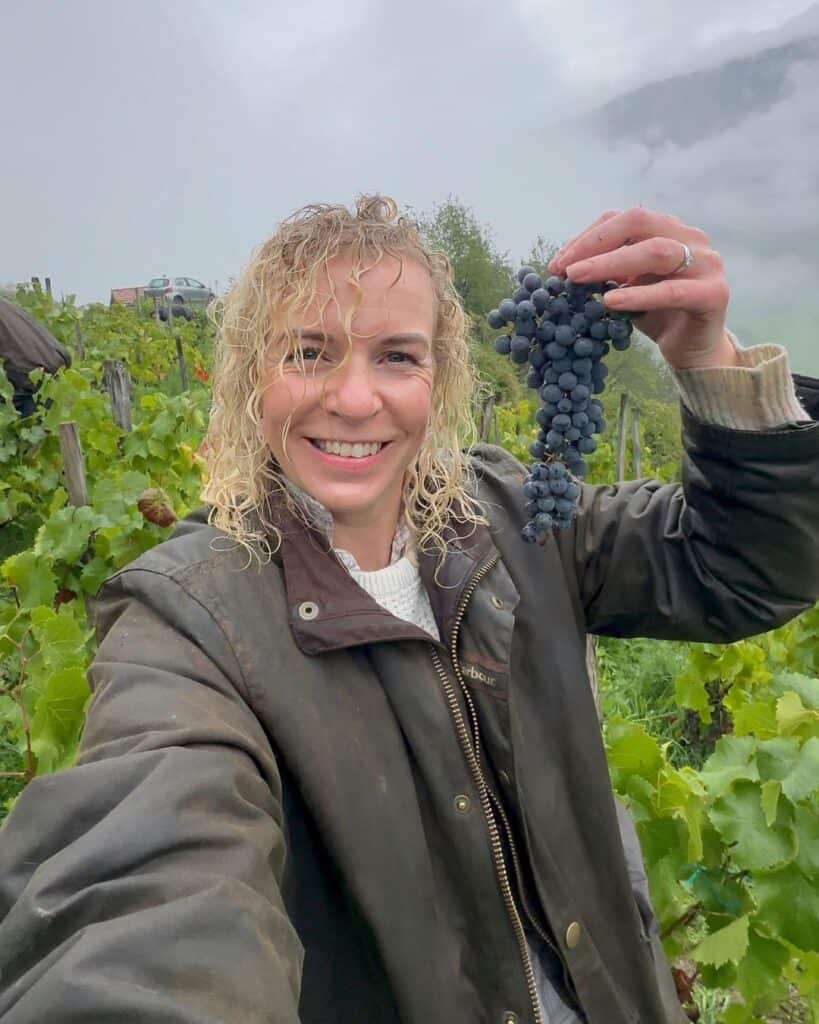
I’ve lived in the French Alps for years, and thought I had a pretty good handle on what made this region special. But last week, I found myself standing in a vineyard just below La Plagne, fog clinging to the valley, lifting huge bird nets off rows of grape vines… and wondering how on earth I’d never noticed this before.
It was snowing up at altitude that morning, but in the valley, it was just drizzling and grey. Still, a few of us had gathered in the Cote d’Aime, head to toe in waterproofs, to volunteer for the grape harvest. I’d been invited by the Association Vignes de Tarentaise and was helping a local grower named Vincent, who owns a small patch of vines overlooking the valley. He needed a few extra hands – and I was curious.
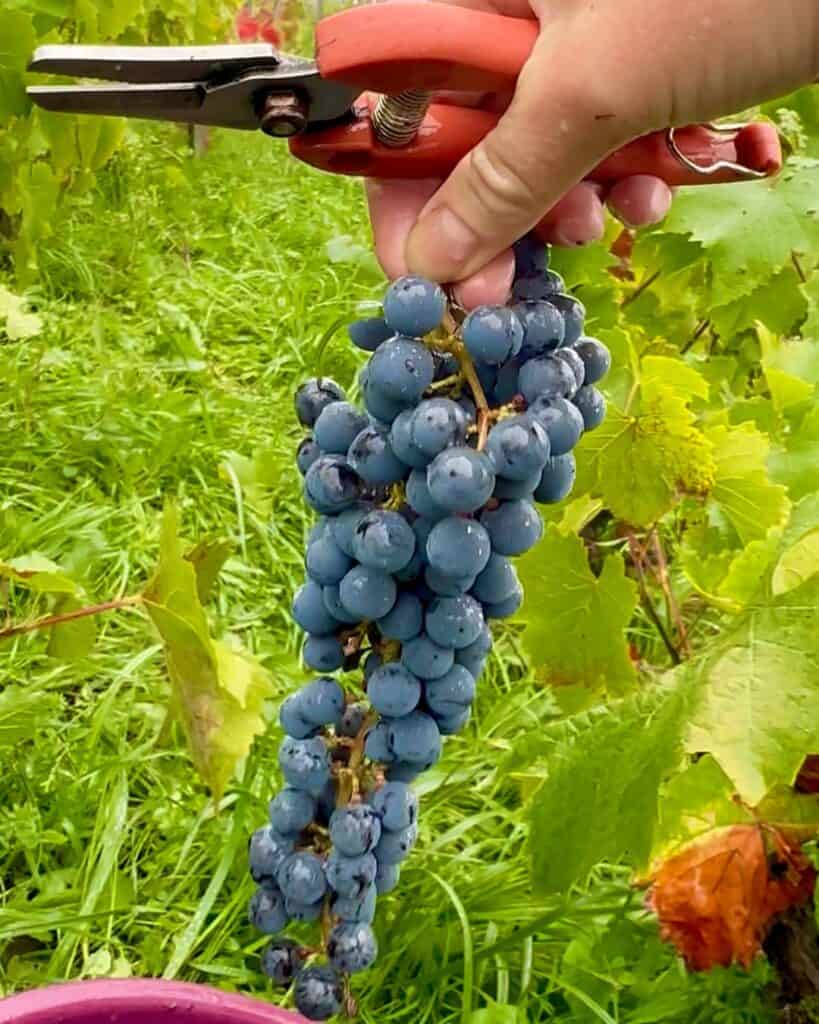
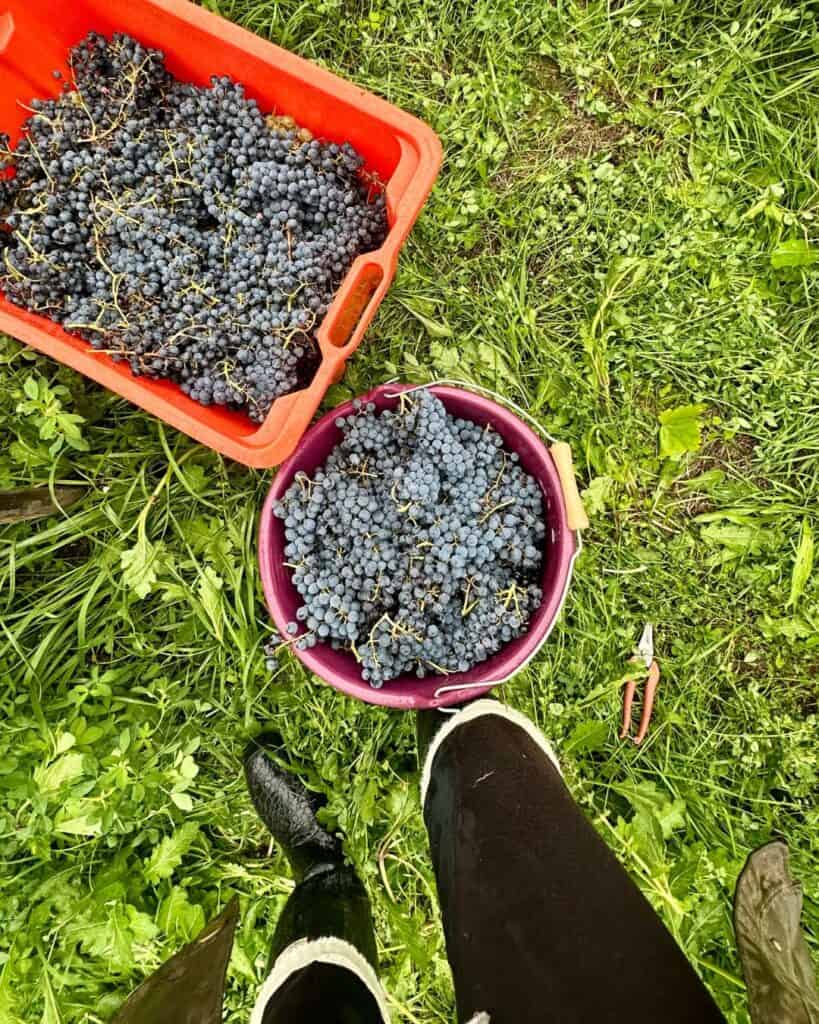
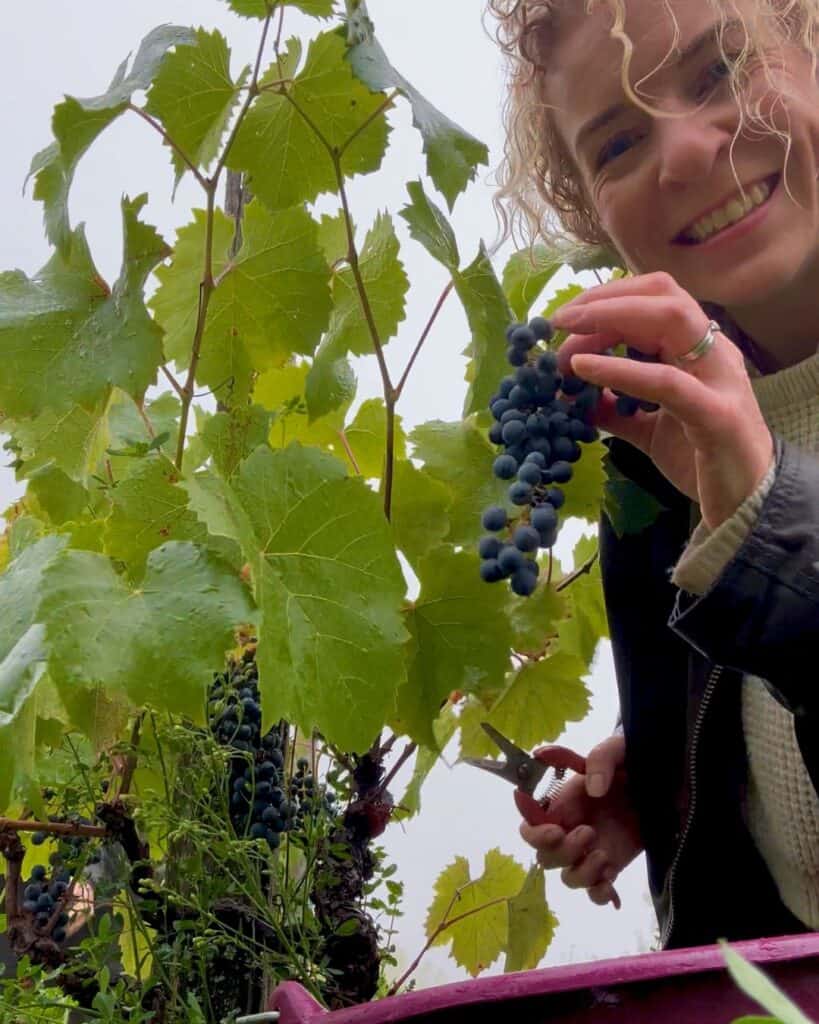
By 8:30am, we were gently cutting clusters of Gamay grapes off the vines, chucking them into buckets, dodging the odd wasp. We chatted, we laughed, we compared harvest scissors. And we marveled at the mushrooms growing around the vines, which Damien, one of the other volunteers, gleefully foraged for his kids’ dinner. I wasn’t expecting fungi to be part of the job, but I wasn’t complaining.
After a couple of hours, we loaded the grapes into our cars and drove down to the communal press, where they’re turned into wine under the guidance of the Vignes de Tarentaise association. And that’s where the real story began. Because this isn’t just a harvest. It’s part of a thousand-year-old alpine tradition, now kept alive by a handful of passionate locals.
I’d never connected bottled Savoyard wine with the fact that there must be vineyards and grapes growing around our ski slopes. But now I can’t unsee it: right below the pistes we ski all winter, there's a culture just as rich as the views.
And I think more people should know about it.
Grape picking in the Cote d’Aime – what it’s like
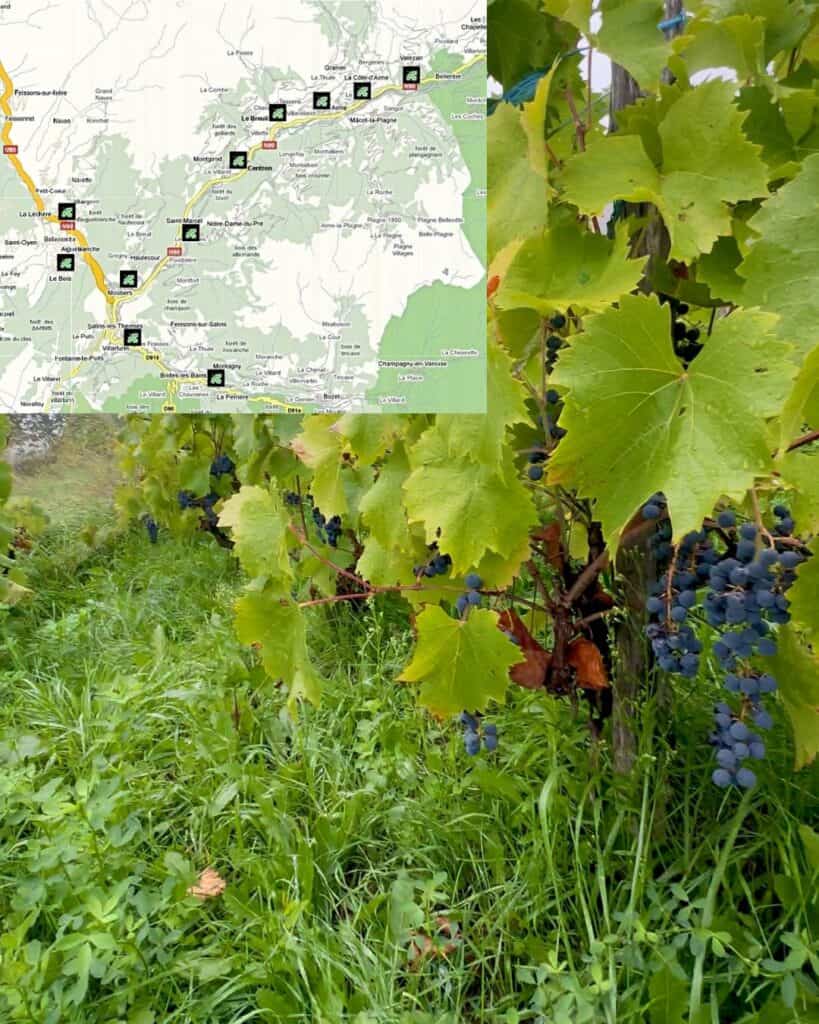
When I arrived just after 8am, it felt like the sort of morning you'd normally write off as miserable: misty, damp, and a bit grim. But there’s something about standing in a vineyard, even under low grey skies, that changes your mood. The vines were heavy with dark purple grapes, and the valley was hushed in that gentle, autumnal way. A real shift from the buzz of summer or a ski season.
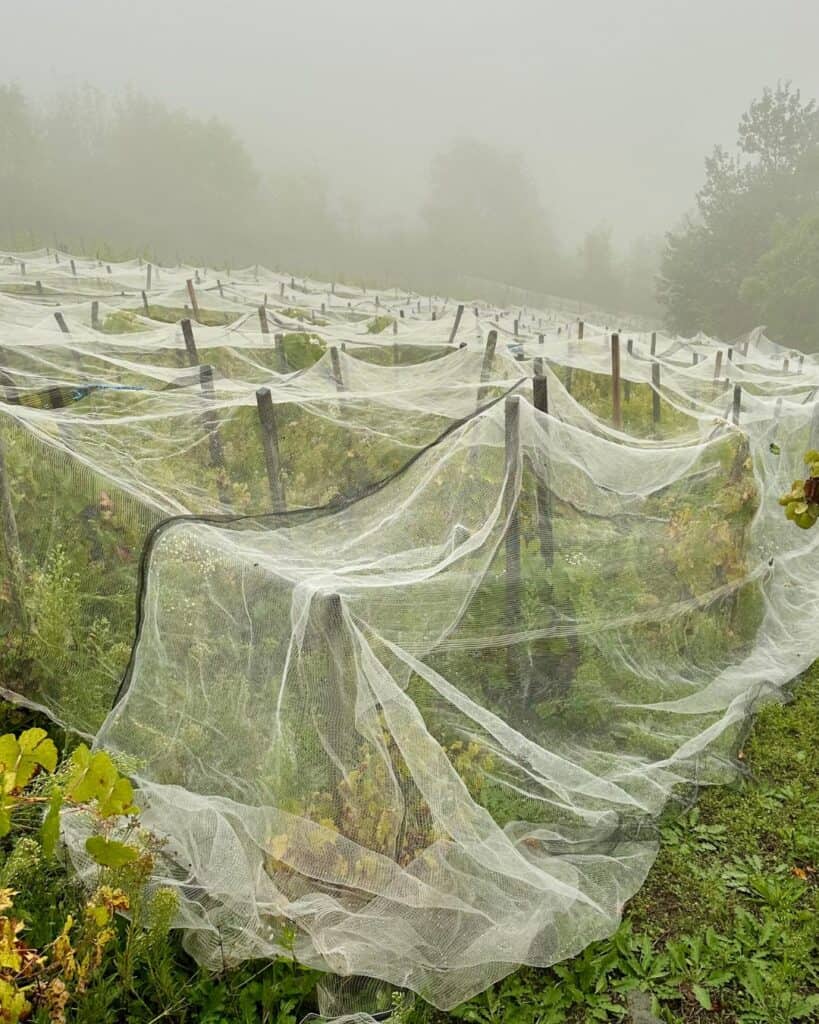
The first job was a group effort: lifting and rolling up the enormous bird nets that protect the vines. They're pegged down tightly to stop the local wildlife stealing the crop, and honestly, it was more physical than I expected. By the time we started picking grapes, I was already warmed up and slightly soggy.
Vincent, the vineyard owner, handed out secateurs and gave a quick demo: twist the cluster, snip close to the vine, avoid dropping them (no pressure). It was simple, repetitive work – snip, drop, move- but weirdly hypnotic and calming. You fall into a rhythm, chatting to the person next to you, focusing just enough that your mind slows down.
We picked solidly for about an hour and a half, working our way down the rows. There were seven of us in total, all happy to lend a hand. Around our feet, mushrooms were popping up in the damp grass. Damien, one of the other volunteers, started collecting them in a side bucket and declared he’d make a mushroom pasta for his kids that evening. Talk about a locally-sourced dinner.
By mid-morning, our buckets were full, our fingers sticky with juice, and the grape bins loaded into the backs of two cars. Time to head to the pressoir – the communal pressing centre just down the road – where the next part of the winemaking process was about to begin.
Meet the Vignes de Tarentaise
Once the grapes were loaded into the cars, we headed a few minutes down the hill to the communal pressing shed – known locally as le pressoir – in the Cote d’Aime. It’s a simple building tucked away near the village, but what happens inside is anything but ordinary.
This is where the Vignes de Tarentaise association brings the valley’s small-scale wine growers together. Rather than each family maintaining their own equipment and processes, which used to be the norm. This community set-up gives local producers access to shared tools and expertise. Most of the growers here don’t farm full time. They’re teachers, engineers, farmers, retirees. But they all have vines. And they care deeply about keeping the tradition going.
Inside, we unloaded the grapes into a huge metal bin where they were slowly fed into the press. A noisy machine churned them down, squeezing out the juice and filtering it through a pipe into large fermentation vats. The air smelled like sweet grape must and damp wood.
As we watched the juice flow, I chatted with some of the other growers. One of them told me he’d pressed his own wine at home for years. Bottles upon bottles stacked in his wine cave at home, far more than he could drink. Eventually, he joined the association for the camaraderie and support.
Franck, the association president, explained how the fermentation process is carefully controlled. The juice is kept at 8°C for a week, then raised to 25°C in week two to kickstart the second fermentation stage. After that, it’s transferred to a new vat where it rests for nine months. The wine from our grapes? It’ll be bottled next May.
We even tasted a sample from one of the week-two batches. It was still technically juice – tangy, slightly fizzy, and incredibly moreish.
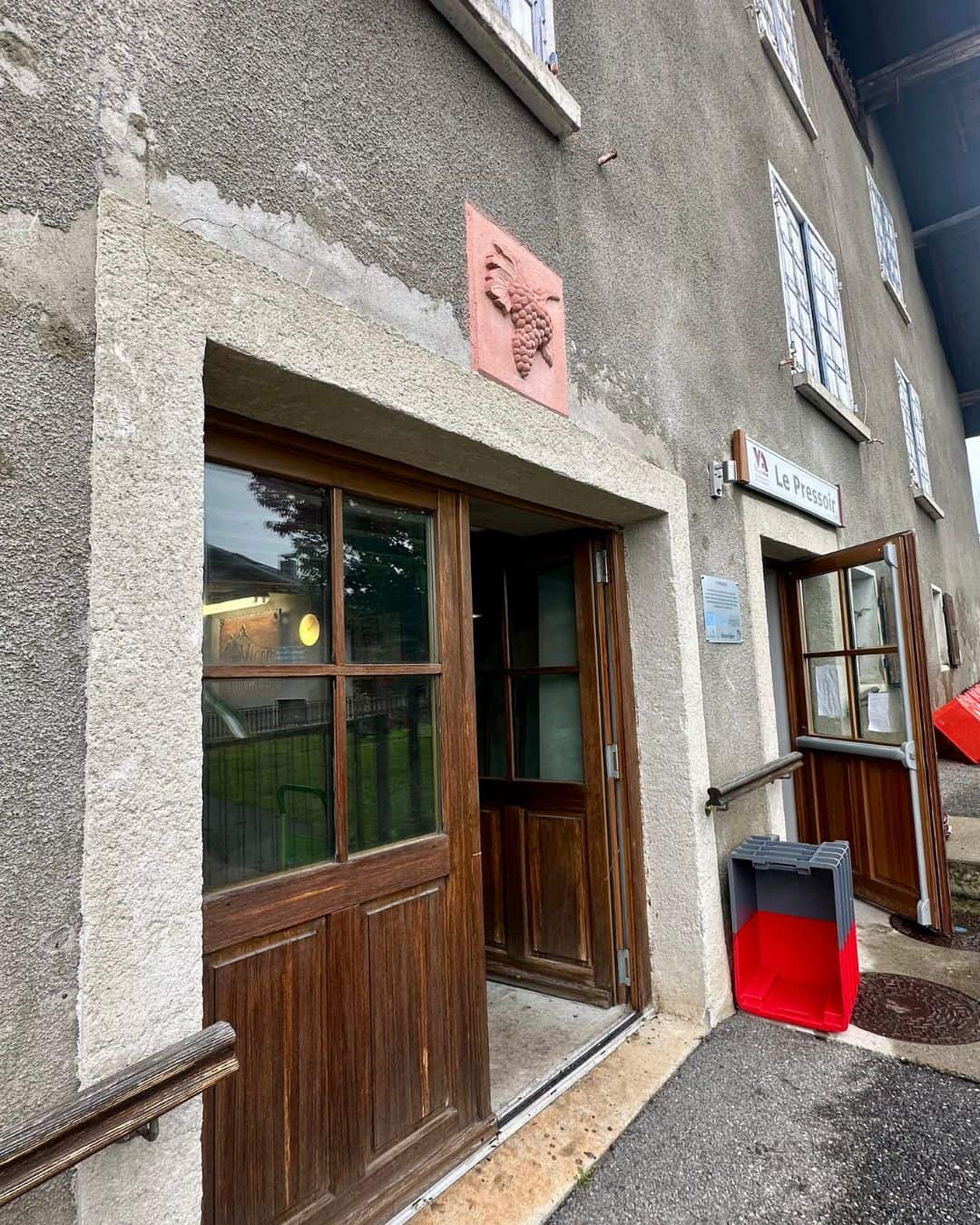

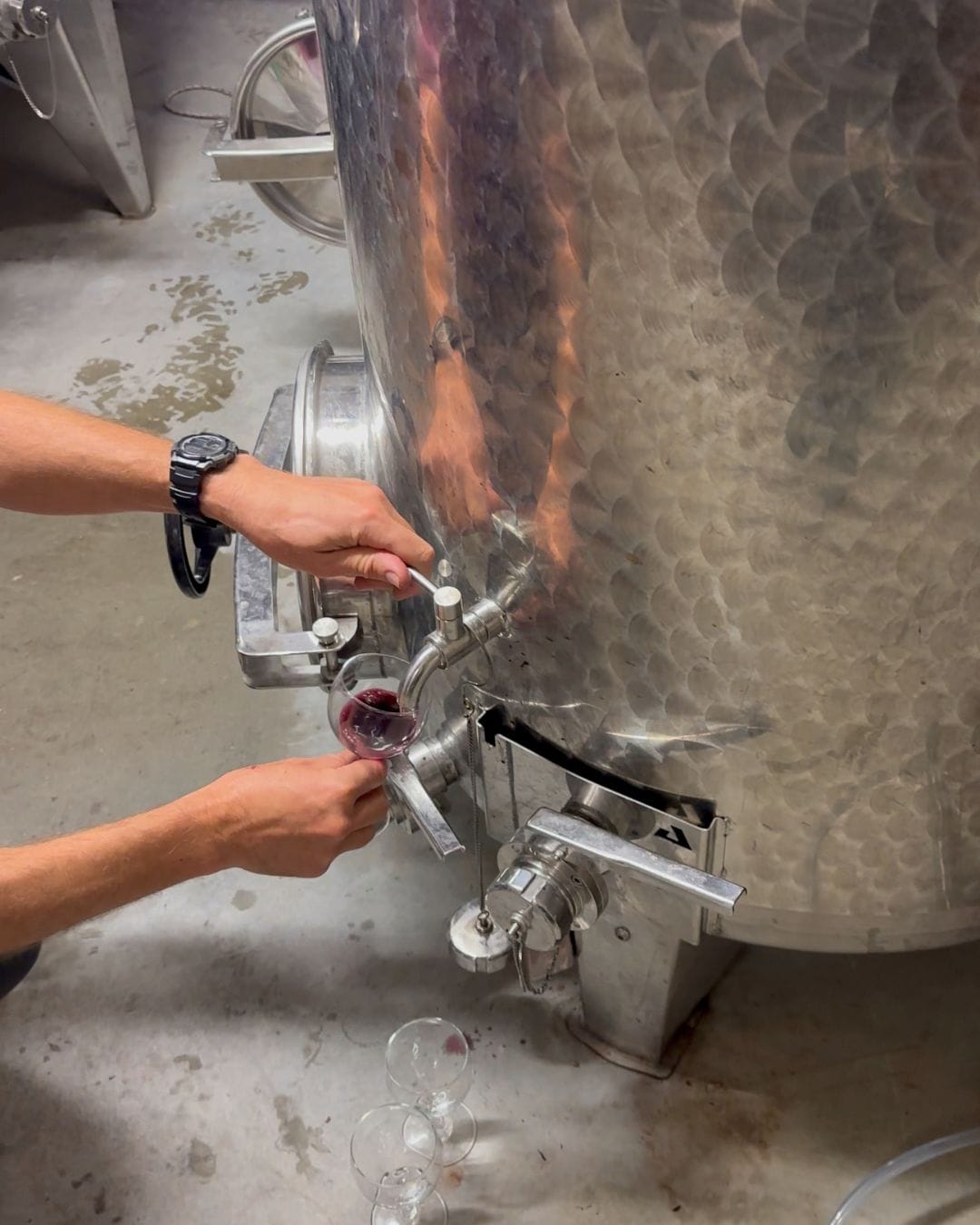
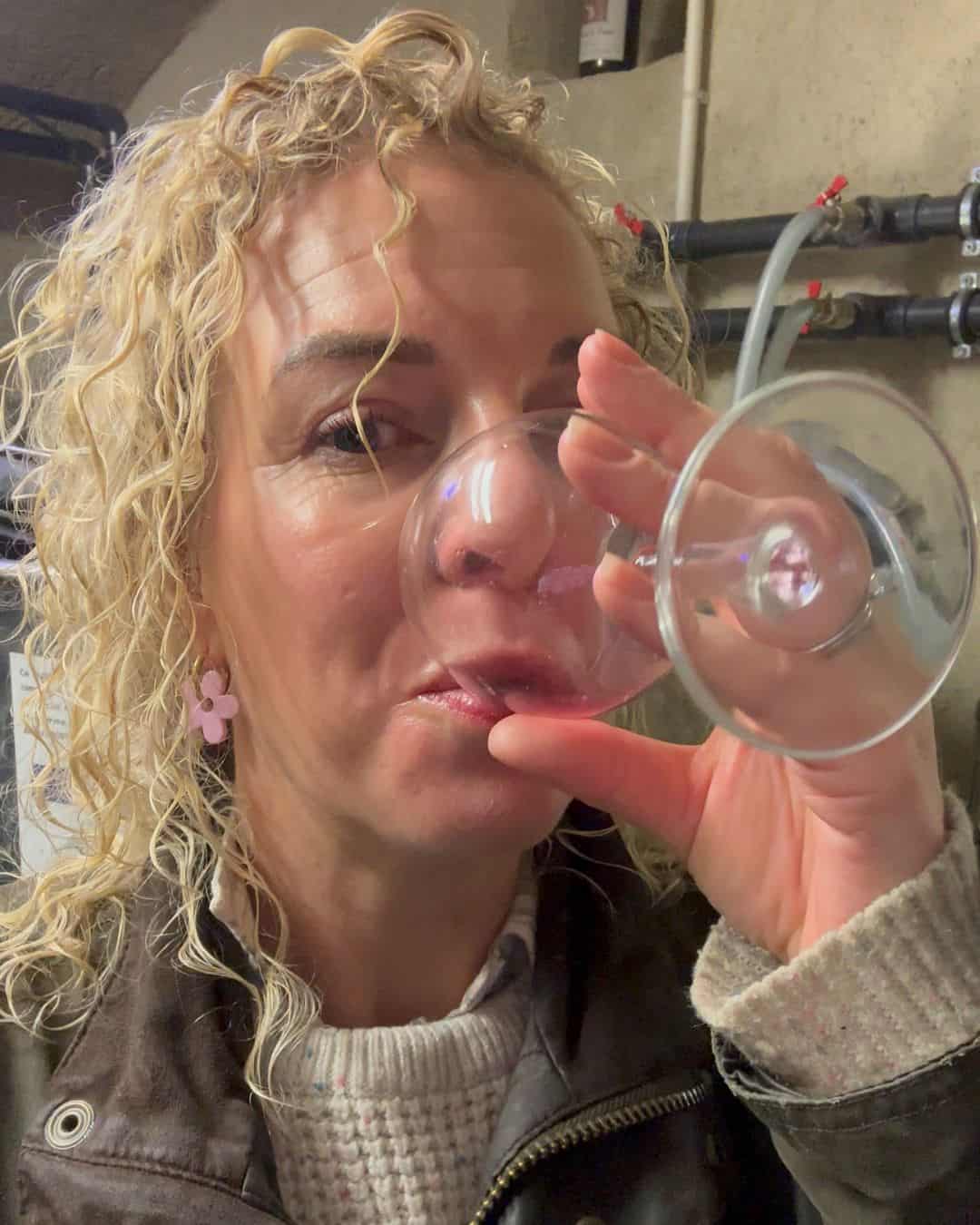
Once we were all done, everyone sat down for a break, opening up a bottle of wine and some cake and snacks to relax before the next producer arrived to use the press.
This isn’t just winemaking. It’s a social act. A shared ritual. And the more I learned, the more I realised how unique this community really is.
A wine history you’ve never heard of
One of the most surprising things I learnt that day – besides the fact that you can pick mushrooms while harvesting grapes – was just how deep the roots of winegrowing go in this valley. I mean that literally and historically.
You might assume winemaking in the Alps is a modern novelty, a quirky side project to skiing. But in reality, it’s one of the region’s oldest traditions. Archaeological digs around Lake Annecy and Lake Geneva have uncovered grape seeds dating back more than 6,000 years. There’s no hard proof those early locals were making wine, but the vines were clearly here long before ski lifts or even paved roads.
By the time the Romans arrived in the 1st century, viticulture was well established. Ancient texts mention wine from Allobrogie (now Savoie) being used medicinally, religiously and socially. The Roman settlement of Axima – modern-day Aime – sat right in the heart of it all. With south-facing slopes, alpine sunshine and warm foehn winds, the Tarentaise valley was ideal for vineyards. And for centuries, it thrived.
In the Middle Ages, wine production exploded thanks to monasteries and church influence. Monks needed wine for mass, travellers needed it for warmth, and locals needed it for income. Vineyards spread up and down the valley, especially around key towns like Moutiers and Aime. By the 19th century, over 2,000 hectares of vines covered the hills between Albertville and Bourg-Saint-Maurice.
Then came the decline. Diseases like phylloxera, industrialisation, and a cultural shift toward tourism changed everything. Vineyards were abandoned. Land was repurposed or left to wild. And little by little, wine production in the Tarentaise all but disappeared.
But not completely.
What I witnessed at the press that day isn’t some new artisanal trend. It’s a remnant of something ancient. A living link to Alpine history, carried on quietly by a few locals who just really love wine.
Savoie wines to try on your ski holiday
When most people think of ski holidays, they imagine vin chaud, Aperol spritzes, or maybe a beer on the terrace. But what if I told you there’s a whole wine culture here in the Alps? One that’s totally unique to this region and barely makes it beyond the valley?
Savoie wines are fresh, local, and deeply connected to the mountain landscape. They’re not mass-produced or flashy, but they are full of character and trying them is a brilliant way to experience the Alps beyond the slopes.
Let’s start with the one I helped harvest: Gamay. It’s a light red, fruity and easy to drink, often served slightly chilled. The local Gamay here in the Tarentaise tends to be a bit punchier in colour thanks to the high-altitude sun and old-school grape varieties blended in. If you see a bottle marked Vignes de Tarentaise or vin de pays, grab it! It’s likely made in small batches by a producer just down the road.
Another one to look out for is Mondeuse, a red grape that’s native to the Savoie region. It’s deeper and spicier than Gamay, with peppery notes and a bit more structure. Perfect with a cheese board or a rich Savoyard dish like diot sausages. This is one we often pick up to enjoy with friends.
On the white side, Roussette (also called Altesse) is a lovely alpine wine, fresh, floral, and crisp. It pairs beautifully with raclette, tartiflette or even a plate of local trout.
If you’re buying wine for fondue, chances are the local shopkeeper will hand you a bottle of Apremont. Made from the Jacquère grape and grown in the Combe de Savoie, it’s one of the most popular whites in the region. Light, floral and subtly mineral, Apremont is crisp enough to cut through the richness of melted cheese, which is why it’s the go-to fondue wine around here. It’s also great chilled on its own after a day on the slopes and widely available in both valley shops and resort restaurants.
And then there’s Paché. This isn’t a brand, it’s a nickname for the homegrown wine made by locals, usually low in alcohol and meant to be drunk young. It gets its name from the wooden pieu (stake) used to support the vines. You’re unlikely to find it on a shop shelf, but if someone offers you a glass at a party or a tasting event, say yes!
You can try Savoie wines in many mountain restaurants, or pick up a bottle from a cave à vin or farm shop in Aime, Bourg, or even in some resort shops in La Plagne. If you're self-catering, it’s a brilliant way to stock up for cosy evenings in.
Next time you’re in a ski resort, skip the supermarket rosé and try something grown just down the valley. You might discover a new favourite and you’ll definitely come home with a better story.
Why this changed how I see my valley
Living here year-round, it’s easy to fall into the rhythm of the seasons. Winter means snow, tourists, ski lifts; summer means mountain biking, hikes, lakes, and wildflowers. But that day in the vineyard shifted something for me. It reminded me that this valley has more layers than I ever give it credit for.
Spending a morning picking grapes, talking to locals, and watching centuries-old methods unfold made me see the valley not just as a destination, but as a living, breathing community. Not just a place to visit, but a place with memory. The vineyard isn’t there for show. It’s there because someone’s grandfather planted it, and someone else decided not to let it fade away.
I realised how many stories lie just below the surface here. Vineyards you would never notice on the drive up to resort. Families quietly making wine in their caves, not for profit but for pleasure. Traditions still ticking along, even as the ski industry hums above.
And it got me thinking: how much do we miss when we focus only on the pistes?
For families visiting La Plagne, a ski trip doesn’t have to be just skiing. It can be discovering something local and unexpected. It can be a wine tasting at a mountain restaurant, a visit to a farm shop, or even just choosing a bottle of local Gamay over a supermarket Pinot. These tiny decisions add flavour to your trip – literally and figuratively.
Next time I’m heading down the mountain, I’ll be looking out for the vines. They’ve been here far longer than the ski lifts. And thanks to a few passionate people (and a handful of soggy volunteers like me), they’re still here, quietly doing their thing, just like they always have.
A toast to the unexpected
So next time you’re driving up to La Plagne, glance out the window as you pass through Aime or the villages below. Those sleepy-looking slopes? They’re not just there to look pretty. They’ve been growing grapes – and stories – for generations.
Whether you’re here to ski, eat, explore, or just breathe in that crisp mountain air, there’s always something new to discover. Maybe it’s a bottle of Gamay from the valley. Maybe it’s the fact that your fondue wine came from just down the road. Or maybe, like me, it’s a reminder that this place is more than pistes and peak season.
If you’d like more behind-the-scenes stories like this, from life in La Plagne to family-friendly finds you won’t get from a brochure, join my newsletter below. It’s where I share honest tips, local gems, and the kind of travel inspiration that makes your holiday feel just a little more special.
FAQ: Wine geek corner
What is “Paché” wine?
Paché isn’t a brand, it’s a local nickname for the traditional, home-produced red wine made in the Tarentaise. The name comes from the wooden pieu (or “paché” in local patois) used to hold up the vine shoots. The wine itself is usually low in alcohol, bright in colour, and meant to be drunk young. It was the everyday wine of farmers and families. Not something fancy, but something shared.
How long has wine been made in the Tarentaise valley?
Believe it or not, possibly for over 6,000 years. Grape seeds from that time have been found near Lake Annecy and Geneva. The Romans established vineyards here in the 1st century AD, and by the 1800s, the valley had over 2,000 hectares of vines. Today, only a handful remain.
Why don’t more people know about it?
Because ski holidays tend to focus on the mountains, not the valleys below. Plus, most of the wine here is made on a small scale, often just for family or local use. It’s not exported, bottled commercially, or mass-produced. It’s part of everyday life, not the tourist trail.
Can I visit or volunteer during the grape harvest?
Not officially. There’s no organised wine tourism here (yet). But if you’re visiting in September and staying in the valley, keep an eye out for notices in village cafés or ask around. These harvests are community-run, and they’re always happy to have a few extra hands. I saw this for the first time on the Vignes de Tarentaise Instagram account.
What makes Tarentaise wine different?
High-altitude vines (600–850m), steep south-facing slopes, and old-school growing methods make for a unique microclimate. Plus, many of the grapes are heirloom varieties you won’t find elsewhere. Add in zero chemicals and very little intervention, and the result is a wine that’s honest, local, and unlike anything you’ll find in the supermarket.
