
That's La Plagne contains affiliate links and is a member of the Amazon affiliate program. If you make a purchase using one of these links, I may receive a small commission - at no extra cost to you. I never recommend anything I haven't experienced myself, and the commission helps me keep this site running at full speed! See my Disclosure Policy for extra information.
La Plagne Avalanche Safety: Be Prepared
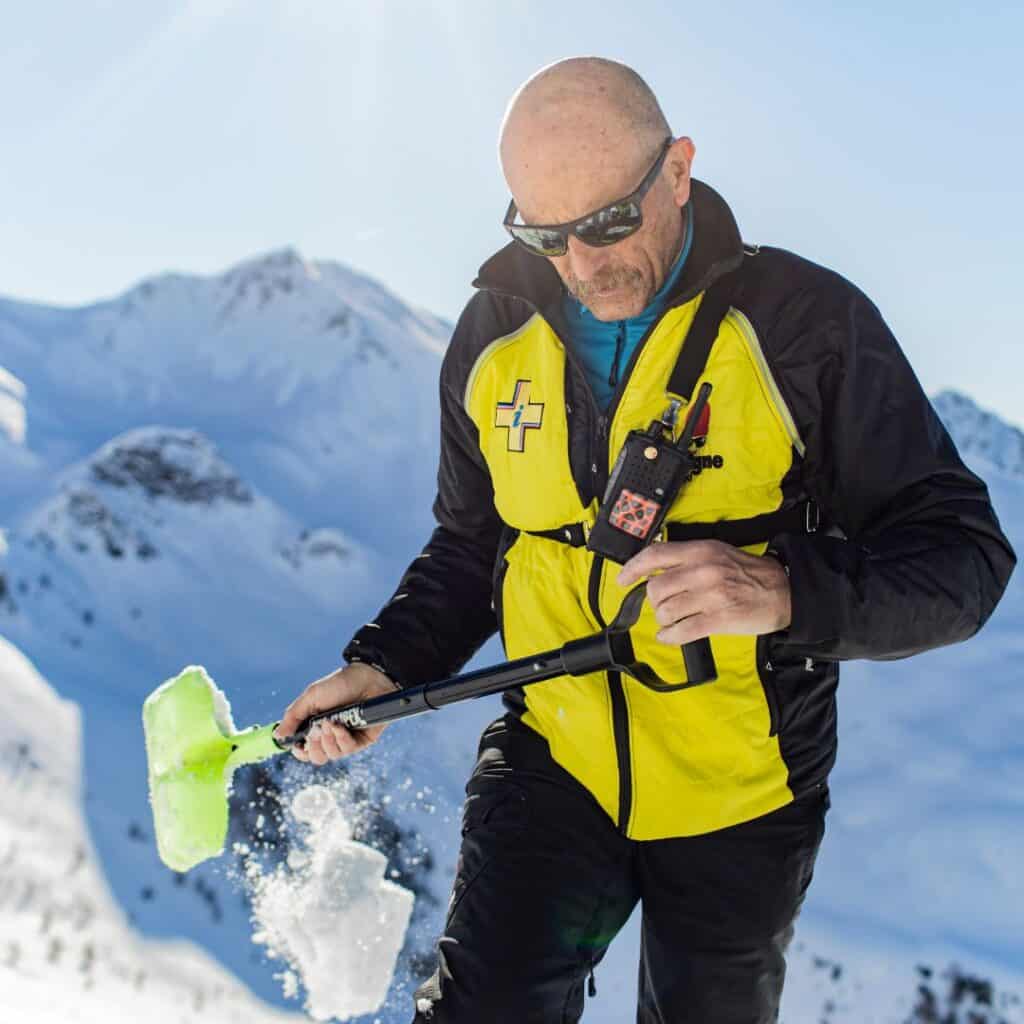
Why Avalanche Awareness Is Essential in La Plagne
La Plagne, nestled in the heart of the French Alps, offers a vast expanse of terrain that attracts skiers and snowboarders from around the globe. While its extensive slopes provide endless opportunities for adventure, they also come with inherent risks, particularly concerning avalanches. As a resident of this alpine resort, I've witnessed firsthand the importance of avalanche awareness and preparedness.
Understanding the local avalanche safety protocols, recognising potential hazards, and knowing how to respond in emergencies are crucial for anyone looking to explore beyond the marked pistes. This guide aims to equip you with the essential knowledge to navigate La Plagne's mountains safely.
Avalanche Risk Classifications in La Plagne

La Plagne adheres to the European Avalanche Hazard Rating System, a standardised scale that assesses avalanche risk levels from 1 to 5:
- Low (Green): The snowpack is generally stable, and avalanches are unlikely except in isolated areas.
- Moderate (Yellow): Avalanches are possible on specific slopes, particularly those with certain aspects or steepness.
- Considerable (Orange): The snowpack is moderate to poorly stabilised, making avalanches likely on numerous slopes. This is a common rating in La Plagne during peak season.
- High (Red): The snowpack is unstable in most areas, with avalanches very likely. Off-piste skiing is highly discouraged.
- Very High (Black): The snowpack is extremely unstable, with numerous large and destructive avalanches expected. All travel is advised against.
Visual Indicators in La Plagne
To keep skiers informed, La Plagne employs a system of coloured flags displayed at key locations, such as lift stations and slope entrances. These flags correspond to the current avalanche risk level, providing a quick visual reference to help you make informed decisions on the mountain.
Checking Local Forecasts
Before venturing out, it's imperative to consult the latest avalanche bulletins. You can find a summary of the La Plagne weather on the main site here. But Météo France provides detailed daily weather reports specific to La Plagne, offering insights into snow stability, recent weather patterns, and potential hazards. Staying updated with these forecasts can significantly enhance your safety on the slopes.
Types of Avalanches in La Plagne
Understanding the different types of avalanches prevalent in La Plagne can aid in risk assessment and decision-making:
- Slab Avalanches: These occur when a cohesive slab of snow breaks away from the underlying layers. Often triggered by skiers, they are the most dangerous due to their speed and the large volume of snow involved. Areas with wind-deposited snow or recent heavy snowfall are particularly susceptible.
- Point Release Avalanches: Initiating from a single point, these avalanches gather more snow as they descend, forming an inverted “V” shape. They typically occur on sun-warmed slopes and are more common during the spring thaw.
Recognising terrain features prone to these avalanches, such as convex slopes, areas beneath cornices, and steep gradients, is essential for safe navigation.
Common Causes of Avalanches in La Plagne
Avalanches result from a combination of environmental conditions and human activities:
- Environmental Factors:
- Heavy Snowfall: Significant accumulations can overload the snowpack, increasing instability.
- Wind: Wind can transport snow, creating dense slabs on leeward slopes that are prone to avalanching.
- Temperature Variations: Rapid warming can weaken bonds within the snowpack, leading to increased avalanche risk.
- Human Triggers:
- Skiers and Snowboarders: The additional weight can disrupt an already unstable snowpack, triggering an avalanche.
- Group Dynamics: Multiple individuals traversing the same slope simultaneously can exacerbate stress on the snowpack.
In La Plagne, regular snow surveys are conducted to monitor these factors closely. Notably, assessments at the Live 3000 glacier and the top of the Lovatière chairlift in Plagne Centre provide valuable data on snow conditions, aiding in accurate risk evaluations.
Importance of Professional Guidance in La Plagne
Given the complexities of avalanche safety, seeking professional guidance is highly recommended:
- Hiring Mountain Guides: Experienced guides possess intimate knowledge of La Plagne's terrain and current conditions. They can lead you safely through off-piste areas, making informed decisions to mitigate risks.
- Avalanche Awareness Courses: Participating in structured training enhances your understanding of avalanche dynamics and equips you with practical skills. I recently did a beginner avalanche course with Oxygene Ski School, which was excellent, and I would 100% recommend it.
- Avalanche Park at Live 3000: La Plagne has established Avalanche Park, a specialised area designed for avalanche search and rescue training. Located at Live 3000, this facility allows skiers to practice using avalanche transceivers in a controlled environment. Free and accessible to all, it provides an invaluable opportunity to develop essential rescue skills. Additionally, supervised introductory sessions led by ski patrollers are available every Thursday at 2:15 PM in Montchavin, at the top of the Bijolin chairlift. Participants are encouraged to bring their own equipment to these sessions.
Emergency Preparedness in La Plagne
Despite all precautions, emergencies can occur. Being prepared is vital:
- Emergency Contacts: Save local emergency numbers on your phone. In La Plagne, the mountain rescue service can be reached at 04 79 09 67 60. But you can also call 112 to reach out to emergency services.
- Rescue Techniques:
- If Caught in an Avalanche: Attempt to move to the side, discard equipment to reduce weight, and use a swimming motion to stay near the surface. If buried, create an air pocket in front of your face to aid breathing.
- If Witnessing an Avalanche: Immediately note the last seen point of the victim, call for professional help, and begin a search using transceivers, probes, and shovels if it's safe to do so.
Regular practice of these techniques, possibly at facilities like the La Plagne Avalanche Park, can enhance your readiness to respond effectively in real situations.
That’s La Plagne & La Plagne Avalanche Safety
Navigating the majestic slopes of La Plagne offers unparalleled experiences, but it demands a commitment to safety and preparedness. By understanding avalanche risk classifications, recognising the types and causes of avalanches, seeking professional guidance, and being equipped for emergencies, you contribute to your safety and that of others. Embrace the resources available in La Plagne, such as the Avalanche Park and regular snow condition surveys, to enhance your knowledge and skills. Remember, the mountains are as unpredictable as they are beautiful; respect them by staying informed and prepared.
See you on the slopes!
