
That's La Plagne contains affiliate links and is a member of the Amazon affiliate program. If you make a purchase using one of these links, I may receive a small commission - at no extra cost to you. I never recommend anything I haven't experienced myself, and the commission helps me keep this site running at full speed! See my Disclosure Policy for extra information.
The ultimate school ski trip guide for first-time parents: FAQs + printable packing list
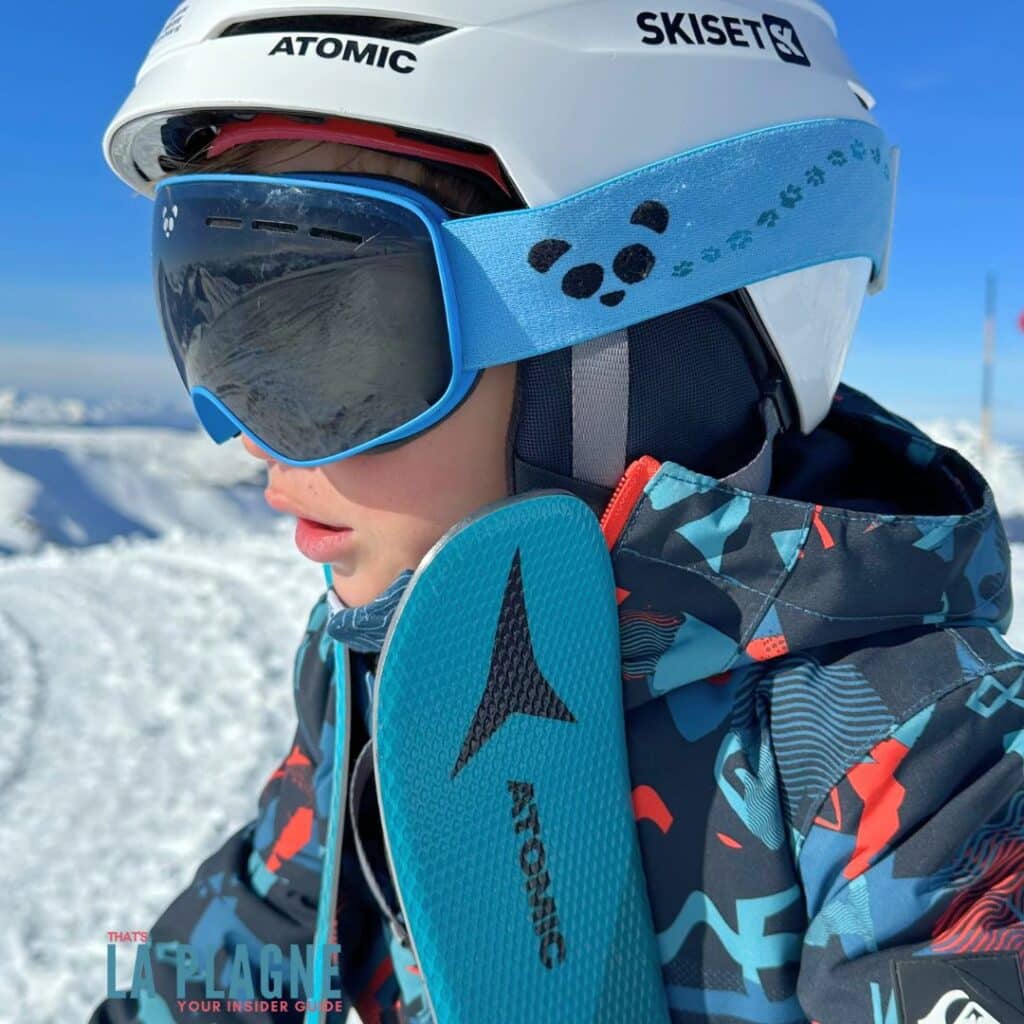
This is for the parents who’ve never skied…
“What even are salopettes?! I haven’t a clue where to start with getting home some affordable, yet cool ski gear. He’s literally going to wear it for a week then outgrow it, and I can’t afford snazzy stuff anyhow.”
That was the WhatsApp from my friend in the UK. Her 13-year-old son is heading off on a school ski trip this December. She and her husband have never skied. He’s excited. She’s overwhelmed.
She wants him to have everything he needs, look the part, and feel confident on the slopes. But she doesn’t want to spend hundreds of pounds on gear he might grow out of before the trip even begins. She’s trawling Vinted, Facebook Marketplace, and online sales, but keeps getting stuck on questions she feels silly asking.
Do salopettes go inside or outside ski boots? Are they supposed to be elasticated at the bottom? What even counts as a base layer? How do you know if a jacket is good enough to ski? And is it goggles or sunglasses?
The thing is, she’s not alone. A lot of parents sending their kids on their first ski trip have never been skiing themselves. There’s a whole world of unfamiliar words, kit choices, and conflicting advice.
That’s where this guide comes in.
I’m here to answer all the questions you’ve Googled and the ones you didn’t know you needed to ask. From kit lists to secondhand shopping tips, and a no-jargon FAQ for each bit of gear your child will need.
Whether your child is already counting down the days or still not sure how they feel about snow, this post will help you feel calm, clued up, and ready to pack.
You’re going to find:
- A printable kit checklist
- Secondhand shopping tips
- A jargon-free FAQ section covering every bit of ski gear, from salopettes to ski socks
Let’s make this ski trip one your kid remembers for all the right reasons.
School ski trip kit list
Everything your child needs for a smooth, warm and stress-free week on the slopes
Packing for a ski trip when you’ve never skied yourself can feel like learning a new language. This list breaks it down simply: no jargon, no guesswork.
You’ll find:
- Essentials your child needs every day on the slopes
- Optional extras (only if you have them or spot a bargain)
- Clear guidance on quantities (because yes, kids do re-wear ski gear!)
- A few helpful extras to make their ski experience more comfortable
- Travel-day kit
- Toiletries, documents & meds
My top tips would be to tick items off as you pack. Or use the editable version to adjust sizes, brands or personal notes. I’ve also included links to my favourite budget-friendly shops and secondhand places to check out before buying new.
Keep it simple, pack smart, and let them enjoy the snow. You’ve got this!
Buying secondhand ski gear or on a budget
Kitting your child out for a ski trip doesn’t have to mean spending a fortune on brand-new gear. In fact, buying secondhand is one of the smartest moves you can make. Especially when they’re growing fast and might only use the kit for one trip.
What ski gear is OK to buy secondhand (and what isn’t)?
Most ski gear holds up brilliantly secondhand. Look for:
- Ski jackets
- Salopettes or ski trousers
- Fleeces and mid-layers
- Ski gloves and mittens
- Neck warmers, and hats
Avoid gloves with cracked waterproofing or broken seams, and be cautious with base layers that look worn or too thin. It’s worth buying these new if you can.
What ski gear I'd buy new
There are a few items I always recommend buying new:
- Ski socks: Fit and fabric make a big difference here. New socks mean better comfort, fewer blisters, and no wear from previous use.
- Base layers: These sit right against your child's skin all day. Fresh ones will be warmer, cleaner and last longer. Plus you can reuse them for other sports and throughout the winter.
- Goggles or sunglasses: If the lenses are scratched or fog-prone, they'll be frustrating to wear. Budget-friendly new pairs are often better than worn secondhand ones.
Best places to look
- Vinted (great for branded bargains)
- Facebook Marketplace
- eBay UK (use filters for local collection)
- Decathlon Second Life (refurbished returns at decent prices)
- Ask your school if there’s a swap group or kit-share scheme
Decathlon is my go-to for new items like ski socks, base layers etc. Also TK Maxx can be great if you can get there when they have a good winter or ski section.
How to check sizing if your kid might grow before the trip
Always size up. They can layer underneath and ski kit tends to be a roomy fit anyway. Look for adjustable waists, elastic cuffs, and salopettes with adjustable waistbands or legs. All of which give more wiggle room.
Tips for trying things on or getting help with fit
Have them try on gear with base layers underneath. Don’t just go by the age or label. Ask sellers for measurements like inside leg, arm length, or full height of the item. Photos showing a child wearing it can help too.
When to start buying or sourcing ski gear for your school trip
Timing makes all the difference. Especially with fast-growing kids. Start too early, and you risk them outgrowing their salopettes before the trip. Leave it too late, and you’ll find the secondhand shelves picked clean.
Here’s a general guide:
- September: Start browsing secondhand and making a wishlist
- October: Begin buying core items like jackets and thermals
- Early November: Finalise any last-minute buys and check fit
- December: Do a full pack-through with your child before term ends
Bonus tip: Set saved searches on Vinted so you get notified when your size or brand comes up.
How to reuse or re-sell ski kit after the school trip
Once your child’s back and the gear’s clean, don’t just stash it in a loft box “for next time” that may never come. A lot of ski kit holds its resale value well. Especially branded salopettes, jackets and goggles.
- List it on Vinted or Facebook Marketplace while the season’s still going.
- Take photos before the trip if you want it looking fresh.
- Get photos of your kids wearing for sizing
- Mention the brand, condition and age fit clearly.
- Mention that they have only been used e.g., for 1 school ski trip
- Keep tags or packaging if possible to help with resale.
Even if you only make back half of what you spent, it’s a huge win. Especially on items like goggles or thermals that may only get one week of use.
What schools don’t always tell you about school ski trips
Most kit lists are very practical, but often miss the little things that make a big difference. Here’s some parent-to-parent advice that might not make the official paperwork:
Zip-lock bags are brilliant for storing small things (like gloves) in a rucksack
Coach journeys are long: pack a blanket, neck pillow, and snacks
SPF lip balm is essential, sunburnt lips are common
A laundry bag or large plastic sack makes repacking much easier
Wet wipes and tissues go a long way in shared rooms or dodgy toilets
Questions to ask the school trip leader
Before you start shopping, get clear on what’s already provided. Ask:
- Are helmets included with ski hire? They will be, but get it confirmed.
- Will they be skiing every day or is there a rest/activity day?
- What non-ski activities will they be doing e.g., should they pack swim things
- Are there any indoor shoes required for the accommodation?
- How much spending money is suggested?
- Will there be a laundry opportunity mid-week?
- When it comes to medication, what are the procedures
- Electronics – what are the kids allowed to take or not? Things like Kindles, electronic games, phones etc. Get clarification on everything.
This helps you avoid doubling up, or forgetting something crucial.
How to pack smart for a school ski trip
Ski kit is bulky, but there are easy ways to stay organised and make life easier for your child (and the teachers):
- Pop a bin bag or laundry bag in the bottom of the suitcase for dirty kit on the way home.
- Packing cubes are game changers. Use one for ski wear, one for evening clothes, one for underwear etc.
- Label each cube with what’s inside (even just on masking tape).
- Include a copy of the packing list in the bag so they can repack easily.
Roll, don’t fold, especially for base layers and thermals.
Ski-themed books to help kids (and parents!) get ready for a school ski trip
One of the best ways to help kids feel confident before a ski trip is to get them reading and talking about it. Stories make the slopes familiar long before they clip into skis — and that can make a huge difference to their nerves and excitement levels.
Here are a few brilliant books to get everyone in the right mindset — whether they’re five or fifteen.
For Younger Kids (ages 3–7)
Help them picture what skiing’s like — from the snowflakes to the ski lifts — and start to build excitement for their first real mountain adventure.
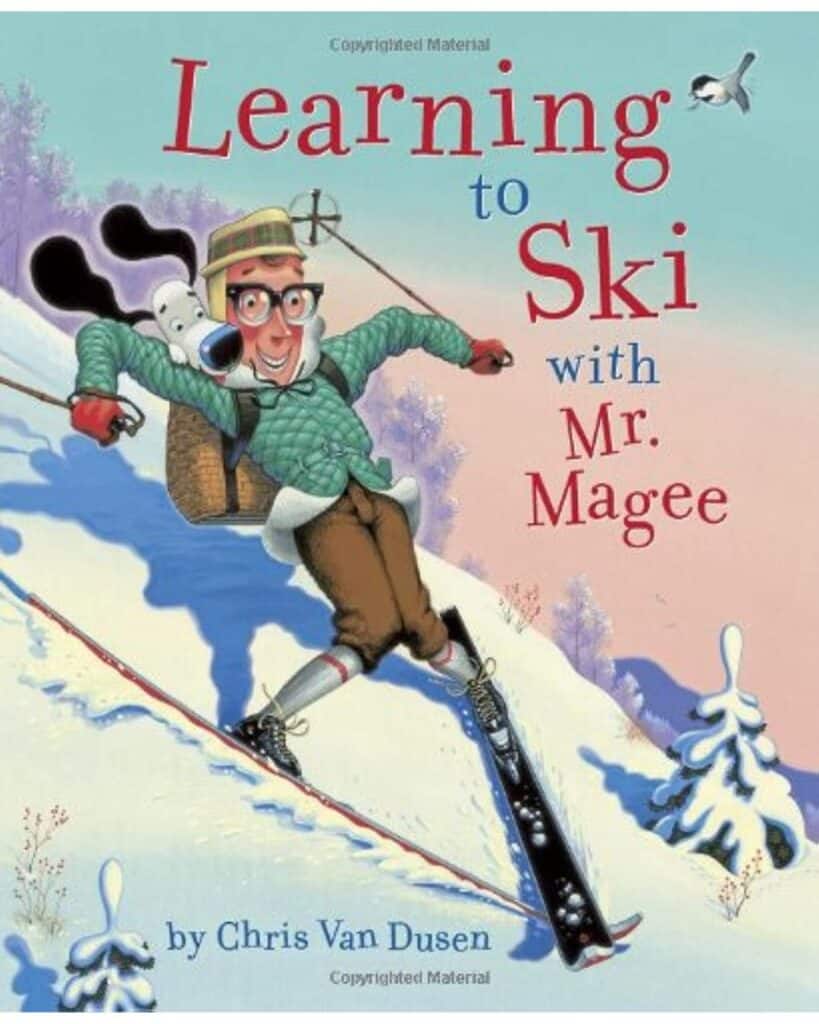
Learning to Ski with Mr Magee – Chris Van Dusen A funny, rhyming story about Mr Magee and his dog Dee learning to ski, with beautiful retro-style illustrations that make little ones giggle and dream about snow.
Giraffes Can’t Ski – Catriona Clarke A heart-warming story about courage, perseverance, and learning new things — the perfect read for kids who feel a bit nervous about trying skiing for the first time.
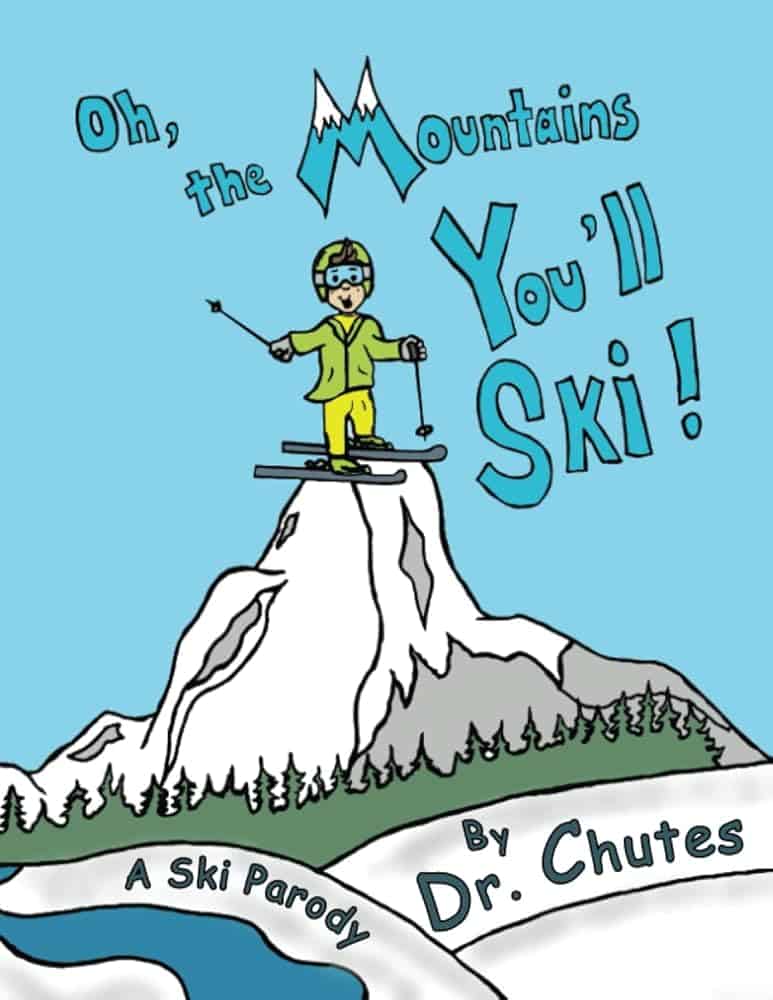
Oh! The Mountains You’ll Ski! – Dr Chutes A playful parody of Dr Seuss’ classic, packed with silly rhymes and snow-themed fun. It’s great for bedtime reading before the trip and subtly encourages kids to embrace new challenges.
For Tweens & Teens
These picks give older kids a better understanding of skiing, the culture around it, and what to expect from a week on the slopes.
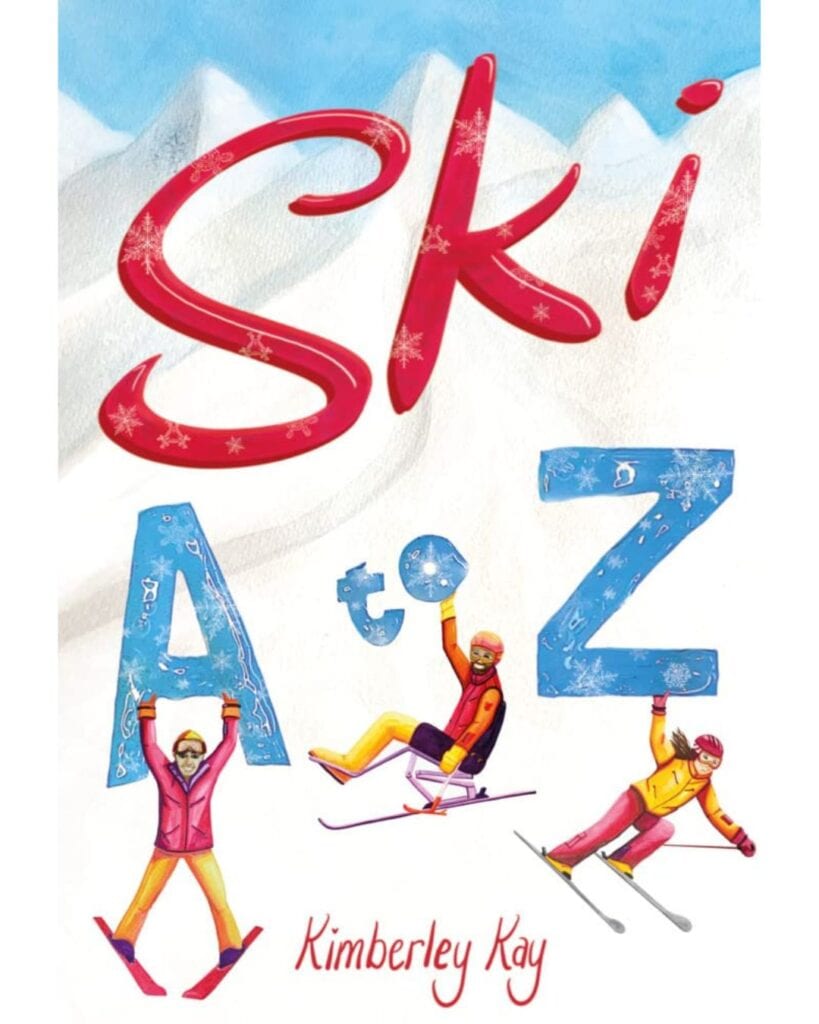
Ski A to Z – Kimberley Kay A brilliant illustrated guide that explains every part of skiing: from bindings to blue runs. And in a way that’s fun and approachable. Perfect for kids (and parents!) who want to sound like they know their stuff before ski school.
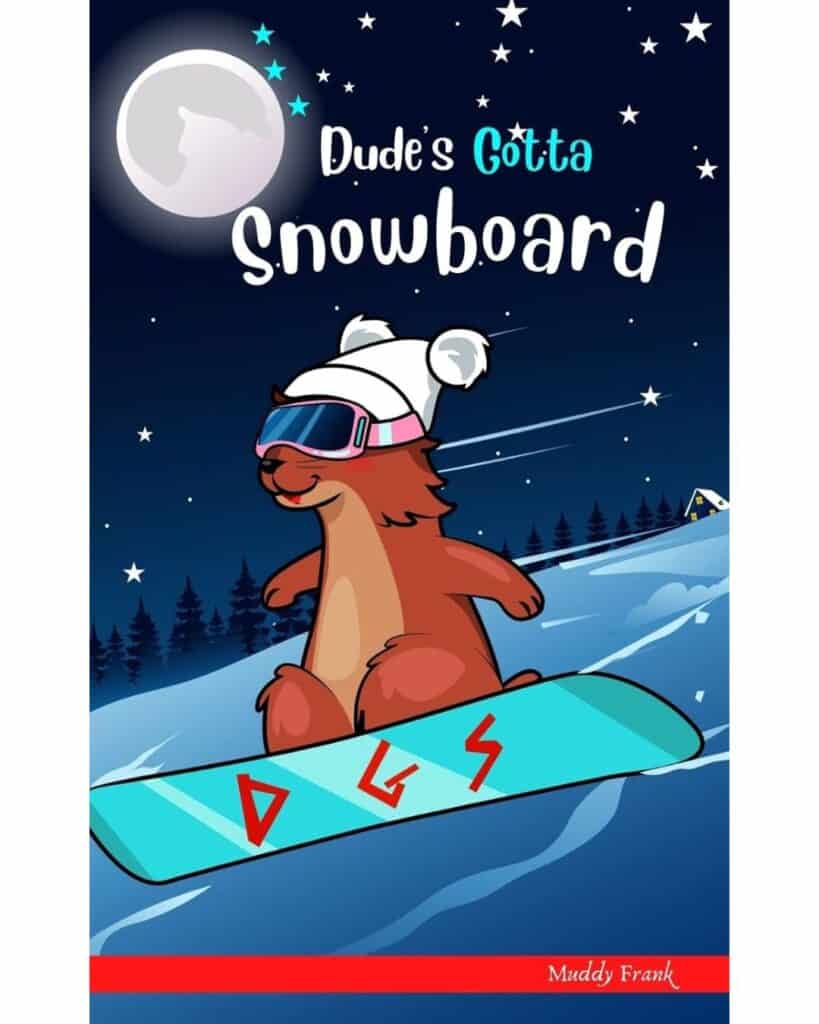
Dude’s Gotta Ski – Muddy Frank Funny, fast-paced and full of relatable moments, this one gives kids a feel for ski culture, mountain slang and the fun side of being on the slopes.
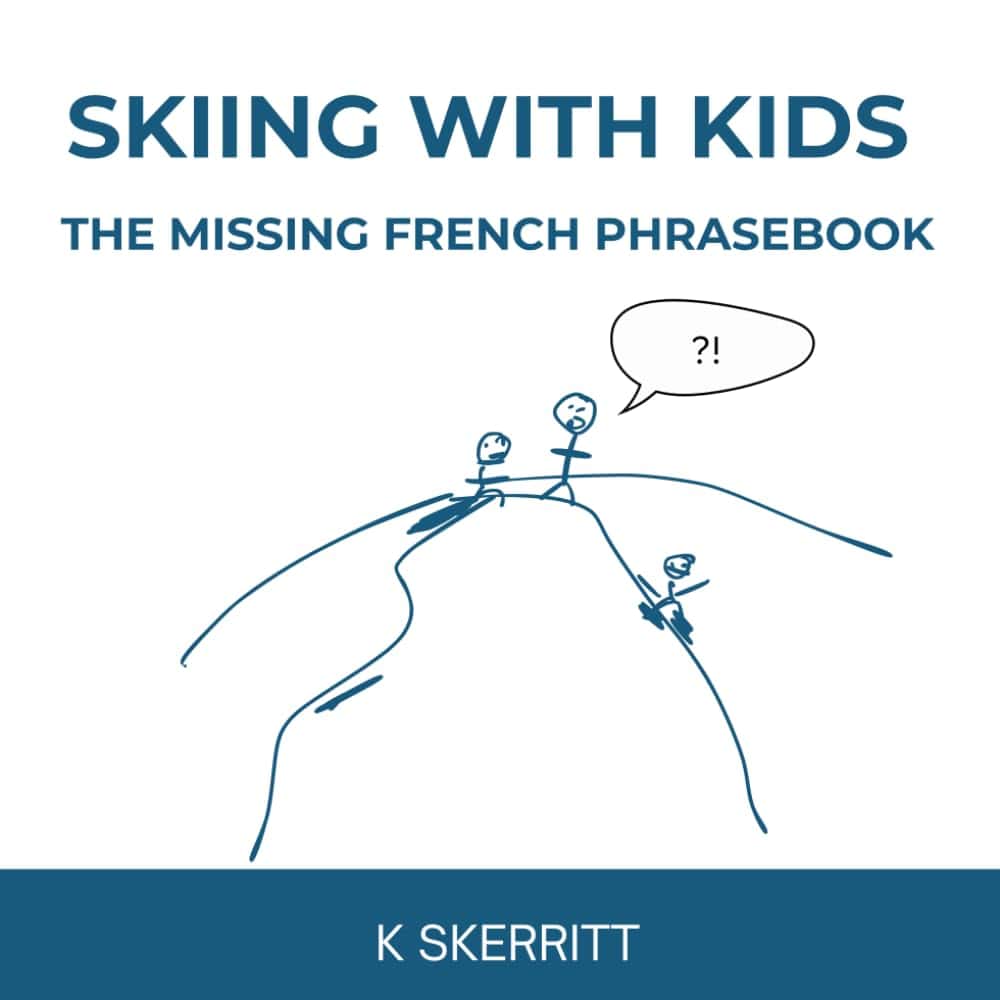
Skiing with Kids: Phrase Book – K. Skerrit A super-handy pocket guide for parents and kids to learn ski-specific phrases and a few useful French words. Great for anyone heading to a French resort for the first time.
For Parents
Because let’s be honest. School ski trips can make us just as nervous as the kids. And we're aren't even going with them!
Pair these books with a quick look at my Ski Vocabulary & French Phrases and Ski Terms & Slang Glossary. It’s a fun way for kids to pick up some confidence before their first trip.
You can find all these books, plus more ski and winter-themed reads for all ages, in my full downloadable PDF list.
Click here to get the ski book full list and make ski trip prep that little bit easier (and cosier).
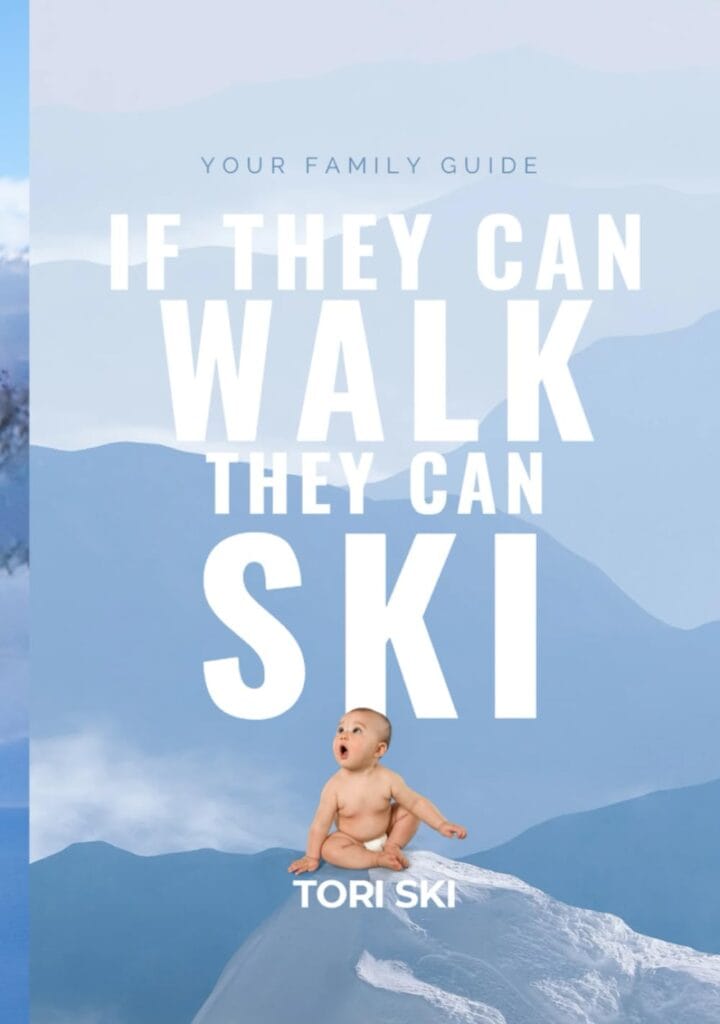
If They Can Walk, They Can Ski – Tori Ski A reassuring and practical guide from a parent’s perspective. It's full of honest advice about teaching kids to ski, managing expectations, and actually enjoying the experience.
It's aimed more at tiny kids learning to slide and ski. But the principles are still the same.
Final top tips to make a school ski trip go smoothly
As your child heads off on their first ski trip, it’s easy to get caught up in the gear and logistics. But once they’re there, what matters most is that they stay warm, have fun, and feel a bit more confident each day.
Here are a few final tips to help things run smoothly:
- Label everything: Gloves, goggles, socks, even underwear. If it can fall off, it can get lost. A name label saves the day.
- Pack some extra snacks and a small treat: Something familiar from home can be a lifesaver after a long day on the slopes.
- Remind them it's not about the fanciest kit: Most of the kids are in mismatched jackets and borrowed salopettes. What counts is staying warm, dry, and having a laugh.
You don’t need to be a skier yourself to send your child off feeling prepared. With the right layers, a bit of planning, and this guide in your back pocket, you’ve got it covered.
FAQ section: ski gear basics for parents who’ve never skied
What are ski base layers?
Thin, stretchy layers worn closest to the skin to keep your child warm and dry. Look for moisture-wicking material like merino wool or synthetic sports fabric.
Are base layers and thermals the same thing?
Pretty much, yes. People often use the terms interchangeably. Both refer to the layer worn closest to the skin to keep you warm and dry. The key thing is the material: good base layers (or thermals) are made from moisture-wicking fabrics like merino wool or technical synthetics. Avoid cotton, it stays damp and makes you cold.
“Base layer” tends to be used more in sports and ski shops, while “thermals” is the word you’ll hear more in everyday chat or on the school kit list. They mean the same thing, as long as the fabric’s right.
How many sets does my child need?
1 or 2 sets is plenty. One on, one as a backup. Honestly, I’d probably wear the same set all week. But to keep fresh and non-smelly, 2 sets is really a good idea.
Can they wear gym/running kit instead?
Yes. Tight-fitting leggings and long-sleeved sports tops work well. Just avoid cotton, which stays damp.
What makes a jacket a “ski” jacket?
It’ll be waterproof, insulated and have snow-friendly extras like wrist gaiters, a snow skirt, or a ski pass pocket. You can find quite thin jackets, which we call a ‘shell’. These are more like a mac in vibes – very thin and just a waterproof option. For a school trip, I’d avoid this and opt for a jacket with more insulation.
What is a snow skirt and do they need a ski jacket with a snow skirt?
A snow skirt (sometimes called a powder skirt) is an inner band of fabric inside a ski jacket, usually elasticated, that fastens around the waist. Its job is to stop snow getting up inside the jacket if your child falls over or is playing in deep snow.
It acts like a seal between the jacket and the trousers, keeping the warmth in and the snow out.
It’s not essential, but helpful. It keeps snow out if they fall over. I don’t use mine and neither no my kids. I’ve actually taken them out of our jackets. Don’t prioritise these.
What if it rains instead of snows?
Choose a jacket with a waterproof rating of 5,000mm or more. Ski jackets are made for wet conditions.
What are salopettes?
Waterproof, insulated trousers for skiing. They often have braces and elasticated cuffs. Braces are useful for younger kids, but not really necessary for older kids and teens.
There are a lot of salopettes that are also ‘bib salopettes’. These essentially look like dungarees. These are a fashion choice more than anything else. But they do also help keep you warmer on the slopes. So if your child is cold, these might be a good option.
Do they go over or inside ski boots?
Over. Always over.
Are they elasticated at the bottom?
Yes, most have an inner elastic gaiter that fits snugly over the boot to keep snow out.
How long should salopettes be?
Long enough to cover the boot top without dragging on the ground. They’ll look slightly too long when off skis. There is a current fashion for baggy, longer salopettes that will drag on the floor when walking around. This is fine – it’s purely a fashion choice. The same as when option for fitted, boot leg or baggy jeans.
Gloves or mittens?
Mittens are warmer but gloves give more grip. Either is fine if they’re waterproof and insulated. Let your child opt for their preference. I would say mittens are better for snowboarding and will keep kids warmer.
Sunglasses vs goggles: which is better?
Goggles for skiing. Sunglasses are good for sunny lunches or walking around.
Are goggles really necessary?
Yes. Ski goggles protect eyes from snow, wind and UV rays.
Sunglasses fall off or fog up easily. You can wear sun glasses skiing, but goggles really are more comfortable and provide more protection.
Can my kids wear thick hiking socks to ski?
No. Ski socks are thinner but designed to stay warm and prevent blisters. Ski socks are the one area I would say get something decent. They really will make a difference to your kids comfort in ski boots.
How many pairs do they need?
3 to 4 pairs of good quality ski socks. They can wear them on repeat. Honestly, my kids have 3 pairs and rotate them all season.
Why does everyone say ‘no cotton' for ski socks?
Because cotton traps moisture and makes feet cold and damp. Stick to synthetic or merino blends.
Can my kids wear their ski boots in their accommodation?
Usually, no. And definitely not a good idea even if they’re allowed.
Ski boots are heavy, rigid, and often have snow or mud stuck to the soles. Most hotels, chalets and apartments have boot rooms or designated drying areas where boots are stored overnight.
Wearing ski boots indoors can damage floors and be a slip hazard. Plus, they’re incredibly uncomfortable to walk around in for long periods.
Encourage your child to change into trainers or indoor shoes as soon as they’re off the slopes. It’s warmer, cleaner, and much more comfortable for everyone.
Do they need snow boots?
Nice to have, but not essential. Any waterproof or grippy-soled boots will do. Look for rubber soles rather than plastic, they have a better grip on snow and ice. Hiking boots, or trail shoes are great for the snow.
Can they wear trainers in a ski resort?
Yes, but only if the ground is dry and clear. Slippery when icy.
What about evenings?
Comfy casual shoes or slippers for indoors. Ski accommodation is usually very relaxed. Your kids will also want some slippers or indoor shoes for moving from their room to breakfast. Or from their rool to their ski lockers and putting their ski boots on.
What size daypack?
Small to medium. Just big enough for water, snacks, spare gloves or goggles. Make sure it does not have lots of trailing straps or keyrings etc that will get caught on ski lifts.
What do they carry each day?
Water bottle, SPF lip balm, tissues, sunglasses, snacks, maybe their lunch if they are doing picnics with the school.
SPF lip balm and other little things that matter
Yes, yes, yes! The sun and wind are brutal. Add mini suncream and hand warmers too.
