
That's La Plagne contains affiliate links and is a member of the Amazon affiliate program. If you make a purchase using one of these links, I may receive a small commission - at no extra cost to you. I never recommend anything I haven't experienced myself, and the commission helps me keep this site running at full speed! See my Disclosure Policy for extra information.
How to Find The Best Avalanche Safety Gear: From Beginner to Advanced
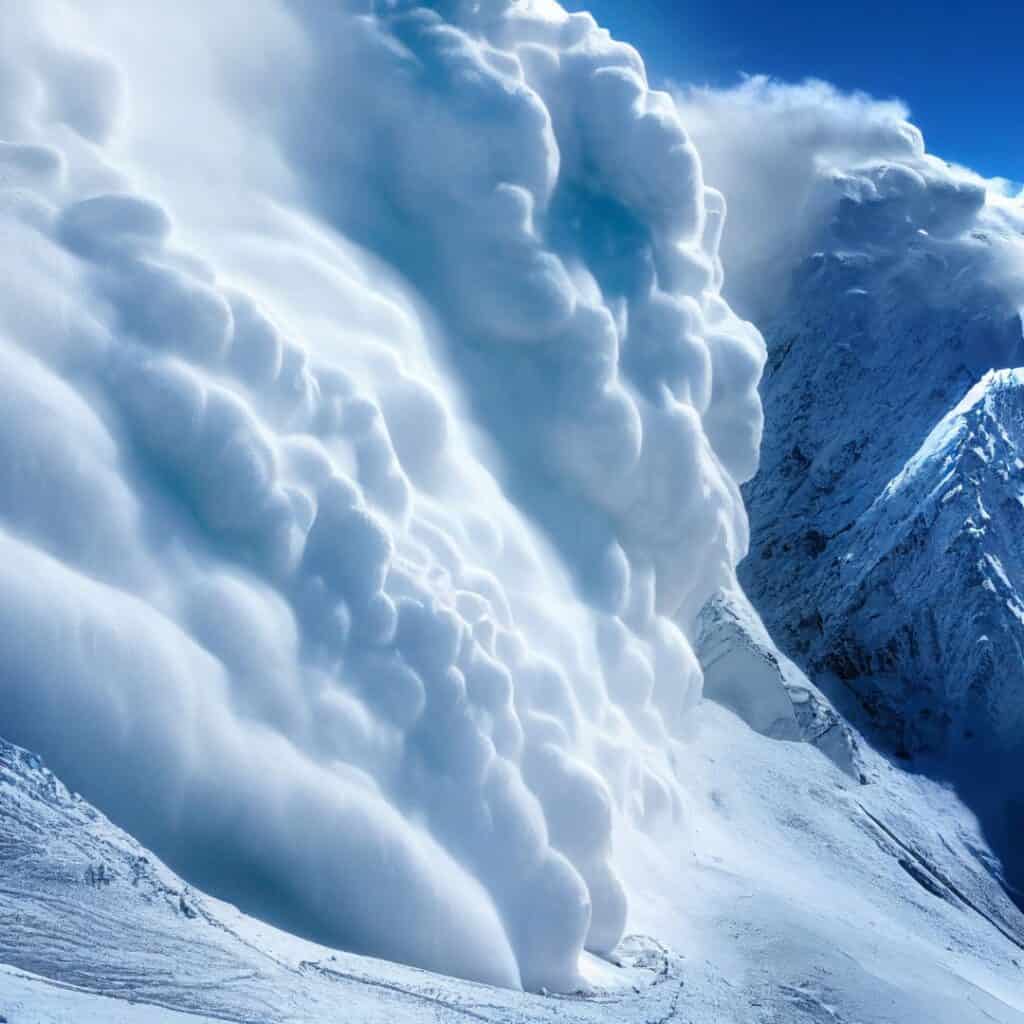
The Right Gear Can Save Lives
Skiing off-piste opens up a world of adventure – untouched powder, pristine landscapes, and the thrill of freedom. But with this adventure comes responsibility. Avalanche safety starts with knowledge, and the right equipment can make all the difference.
Whether you’re a first-timer exploring beyond the marked pistes or an experienced backcountry skier, having the correct avalanche gear is essential. The right tools can help prevent disasters, speed up rescue efforts, and give you the confidence to enjoy your time on the mountain safely. This guide will break down avalanche gear from beginner basics to advanced setups, with recommendations to suit every budget and skill level.
Avalanche Safety Essentials for Beginners
If you’re new to off-piste skiing or snowboarding, focus on these core pieces of equipment. They are the foundation of avalanche safety and should always be carried, even for short trips:
- Avalanche Transceiver
A transceiver (also called a beacon) is a critical piece of equipment that allows you to locate someone buried in an avalanche – or be found yourself. Worn close to the body, this device emits and receives signals.- Key Features: Choose a three-antenna transceiver for more accurate search results. Look for a model with simple controls and clear instructions, ideal for beginners.
- Top Picks: The BCA Tracker series and Pieps are reliable and beginner-friendly options.
- Probe
A probe is a collapsible pole used to pinpoint a buried person’s location after the transceiver search. Once deployed, it helps rescuers find the exact depth and position of the victim.- Key Features: Lightweight and durable, with a quick-lock mechanism for easy assembly.
- Top Picks: Mammut 280 Speed Lock and Terrawest are excellent choices.
- Shovel
A sturdy shovel is essential for digging out avalanche victims. Time is critical in a rescue, and a well-designed shovel can make the process faster and more efficient.- Key Features: Choose a shovel with a metal blade (plastic isn’t durable enough) and an extendable handle for better leverage.
- Top Picks: Voilé Telepro and Backcountry Access (BCA) shovels are popular for their durability and ease of use.
- Helmet
Helmets are a non-negotiable part of ski safety, both on and off-piste. They protect against head injuries during a fall or avalanche, making them a basic but essential piece of gear.- Key Features: Certified safety standards, adjustable fit, and good ventilation for comfort.
- Top Picks: Smith Vantage, Giro Jackson, and helmets from Burton for snowboarders.
Where to Shop for Essentials
Beginner-friendly retailers like Decathlon and Amazon offer affordable options to get started, while Dare 2b combines function with budget-conscious pricing.
Intermediate Avalanche Gear for Expanding Your Adventures
As your skills and confidence grow, upgrading or adding to your avalanche gear can enhance safety and convenience:
- Avalanche Airbag Backpack
An airbag backpack is a game-changer for off-piste skiing. When deployed, it helps keep you near the surface of an avalanche, reducing the risk of burial.- Key Features: Lightweight, intuitive activation systems, and sufficient storage space for gear.
- Top Picks: Black Diamond JetForce and Mammut Neon Lite.
- Ice Axe or Multi-Tool
For more technical terrain, an ice axe or multi-tool can be invaluable. These tools help with self-arresting on icy slopes and other technical manoeuvres.- Top Picks: Black Diamond Raven Ice Axe and Petzl Gully.
The first thing you need is this
Get my La Plagne deals straight to your inbox:
- Transfer codes
- Accommodation deals
- Ski lesson sales
- Ski hire offers
Trusted Brands and Where to Buy
Navigating the avalanche gear market can be overwhelming, but these trusted brands offer options for every budget and skill level:
- Budget-Friendly
- Mid-Range
- Premium
- Patagonia: High-quality outerwear and accessories with a focus on sustainability. Many items include Recco reflectors for added safety.
- Mammut and Black Diamond: Industry leaders in avalanche safety gear, ideal for advanced skiers.
How to Choose the Right Gear for Your Needs
Selecting avalanche safety gear depends on your experience, terrain, and budget. Here’s how to make the best choices:
- Skill Level: Start with the basics and upgrade as you gain confidence. Beginners should focus on the essentials, while advanced skiers can invest in more technical tools.
- Terrain and Goals: Consider the type of skiing you do – off-piste near resorts or remote backcountry adventures – and choose gear accordingly.
- Budget: Balance affordability with quality. Beginners can start with affordable brands like Decathlon, while advanced skiers might prioritise premium equipment.
- Maintenance: Regularly test and maintain your gear. For example, check your transceiver’s batteries and ensure your airbag system is operational.
That’s La Plagne & The Best Avalanche Gear
Whether you’re a beginner taking your first steps into off-piste skiing or a seasoned backcountry explorer, the right avalanche gear is non-negotiable. It’s an investment in your safety and peace of mind, ensuring you can enjoy the incredible terrain La Plagne has to offer responsibly.
Start with the essentials: a transceiver, probe, shovel, and helmet. As your skills and adventures grow, consider upgrading to airbag systems, Recco reflectors, and advanced transceivers. With trusted brands like Dare 2b, Patagonia, and Mammut, there’s a solution for every skier and snowboarder. You can shop my best avalanche gear here.
Stay prepared, stay safe, and most importantly – enjoy your time on the slopes. And when you’re in resort, why not try an avalanche safety course? I learned a lot from the one I did recently.
See you on the slopes!
