
That's La Plagne contains affiliate links and is a member of the Amazon affiliate program. If you make a purchase using one of these links, I may receive a small commission - at no extra cost to you. I never recommend anything I haven't experienced myself, and the commission helps me keep this site running at full speed! See my Disclosure Policy for extra information.
Inside La Plagne's €43 million Olympic bobsleigh track renovation plans
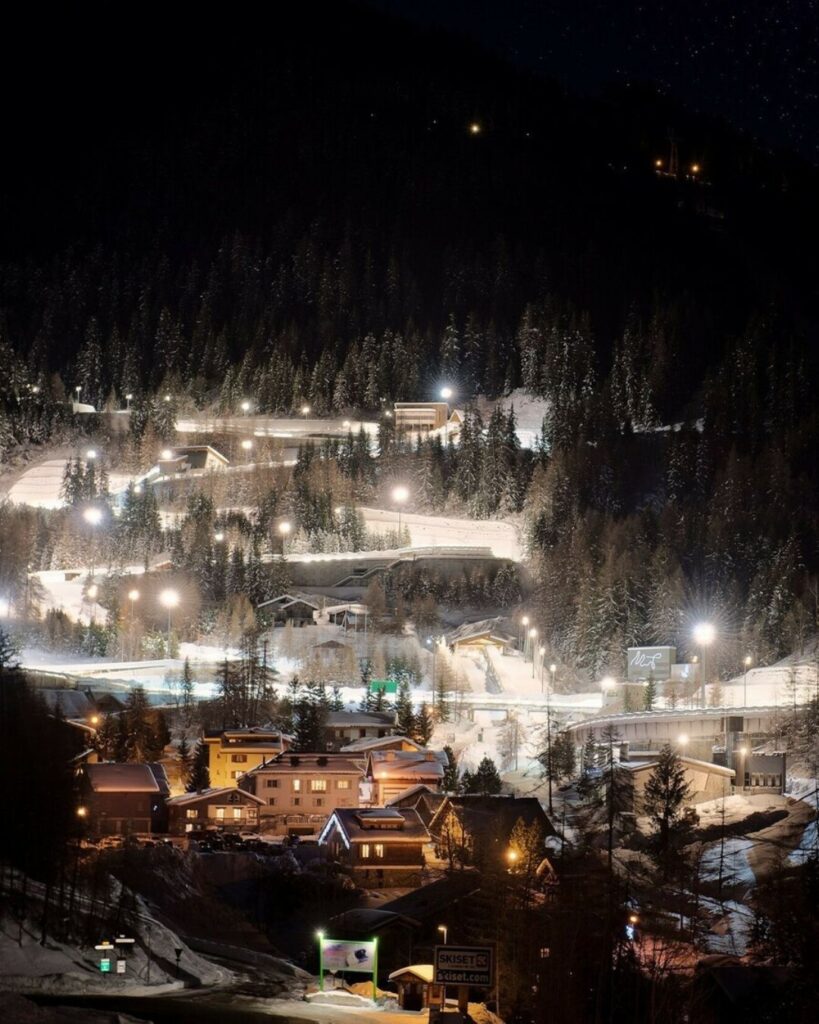
I joined the public walk around the Olympic track and attended the official public consultation meeting to hear first-hand how La Plagne's iconic venue will be transformed ahead of the 2030 Winter Olympics. Here's what I learned.
Over 30 years after it was built for the Albertville 1992 Winter Olympics, La Plagne's iconic Olympic bobsleigh track is preparing for its biggest transformation yet.
The proposed €43 million renovation will modernise France's only international-standard bobsleigh, skeleton and luge track ahead of the 2030 Winter Olympics. But after spending an afternoon walking the track with its current director Bruno Thomas and representatives from Solideo Alpes 2030, followed by the following evening's public consultation meeting, it became clear that the project is about much more than preparing for two weeks of Olympic competition.
Throughout both events, one message came across repeatedly: the goal is to create a track that continues to thrive long after the Olympic flame has gone out.
Want the bigger picture? This renovation is just one part of La Plagne's preparations for the 2030 Winter Olympics. Read my Complete Guide to La Plagne & the 2030 Winter Olympics for the latest news, venue updates, timelines and visitor information.
A project built around three priorities
Bruno Thomas, Director of the Olympic bobsleigh track, explained that the renovation is guided by three main priorities.
The first is to maintain La Plagne as one of the world's leading sliding sports venues, ensuring it remains capable of hosting elite international competition and training for decades to come.
The second is to create a venue that continues to serve La Plagne after the Olympics. Rather than becoming an underused Olympic legacy project, the vision is for a track that remains economically viable through winter tourism, international competitions and everyday operation.
Finally, sustainability runs through every aspect of the project. Organisers want to reduce the environmental impact of the track through more efficient refrigeration, lower energy consumption and renewable electricity generation while extending the life of an existing Olympic venue rather than building a new one.
Running alongside these priorities is another clear principle: keeping the athlete experience at the centre of every design decision.
Walking the Olympic track
Seeing the proposals while standing beside the track brought many of the plans to life.
The 1,507-metre track is one of just 17 refrigerated sliding tracks in the world and remains the only one in France. With 19 bends, it is among the longest and most technical tracks on the international circuit.
Each winter it welcomes between 12,000 – 14,000 visitors alongside international competitions, like the Bobsleigh World Cup and training camps.
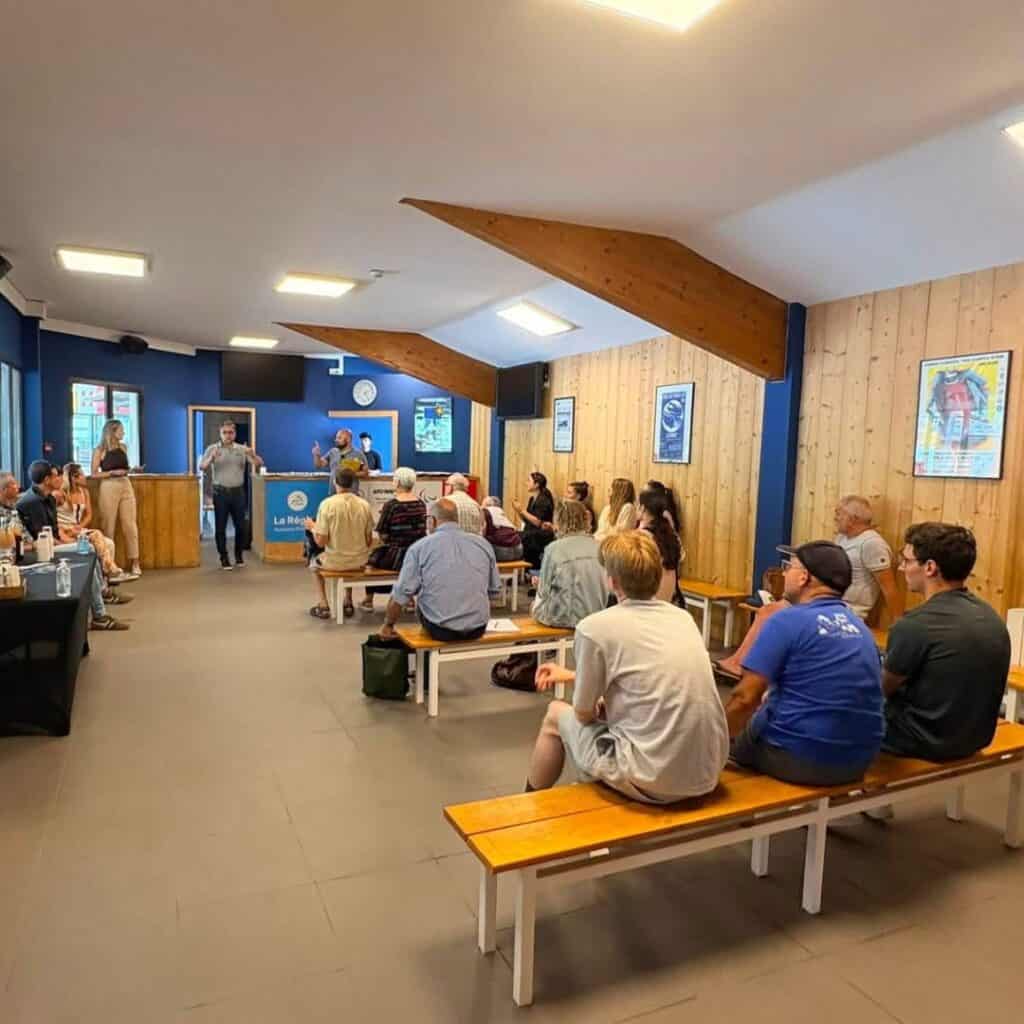
During the walk, Bruno Thomas explained how some of the most significant work will happen in areas that visitors may never notice. Turns 6 and 15, for example, currently require additional ice to be built up every winter because the original profiles no longer perform as required for modern competition.
Behind the scenes, almost every technical system that keeps the track operating is also due for replacement or upgrade.
What will change?
Although the track itself remains the heart of the project, the plans extend far beyond the ice.
Proposals include:
- a completely modernised refrigeration system using CO₂
- improved thermal insulation
- installation of a hydroelectric turbine to generate renewable electricity
- reconstruction of the ageing timing tower
- improved athlete facilities
- upgraded medical and anti-doping areas
- improved accessibility throughout the site
- new visitor facilities, including plans for a museum, shop and restaurant
One interesting point discussed during the walk was spectator access.
At World Cup events today, many spectators reach viewing areas by walking down the fire road alongside the track. Something anyone who has done it in winter knows can be icy and challenging – yes I have slipped over on this route. During the Olympics this access will not be used. Instead, organisers plan to create a new spectator access route, which will require significant improvement before 2030.
The evening public meeting
The evening consultation brought together representatives from Solideo Alpes 2030, La Plagne Tarentaise and other organisations involved in delivering the Olympic venue.
Rather than focusing solely on the track itself, much of the presentation explored the wider Olympic legacy.
Jean-Luc Boch, Mayor of La Plagne Tarentaise, and Diane Pouget from Solideo highlighted the ambition to create Olympic infrastructure that benefits local communities well beyond 2030.
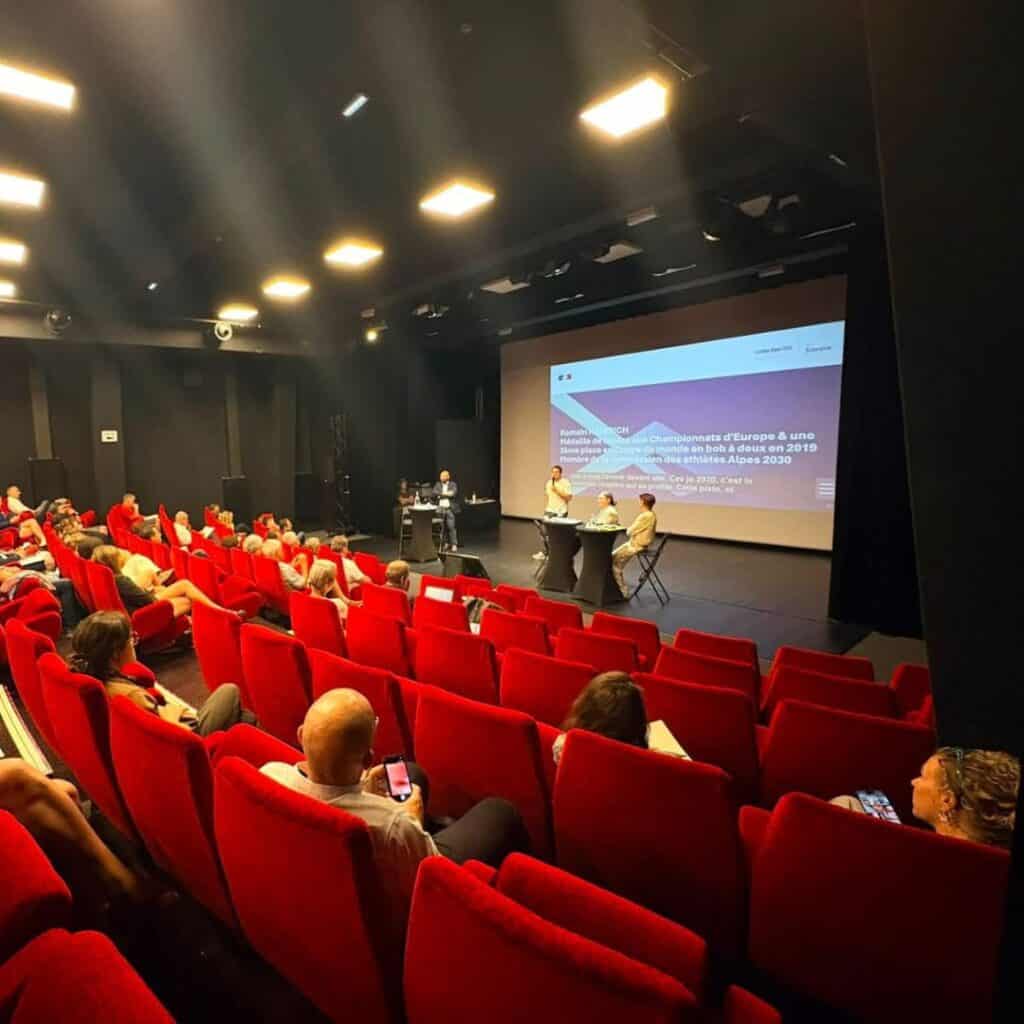
One example is the proposed temporary athlete village in La Plagne, which would provide accommodation, catering, training and recovery facilities during the Games. Other athlete villages are planned for Briançon and Bozel, with Lyon also being considered for some accommodation.
Throughout the presentation there was repeated emphasis on creating places that remain “alive” after the Olympics, ensuring investment delivers long-term economic benefits for mountain communities rather than simply supporting a short sporting event.
The questions locals wanted answered
One of the most interesting parts of the evening came during questions from local residents.
Many focused less on the Olympic spectacle and more on the practical details that will affect the future operation of the track.
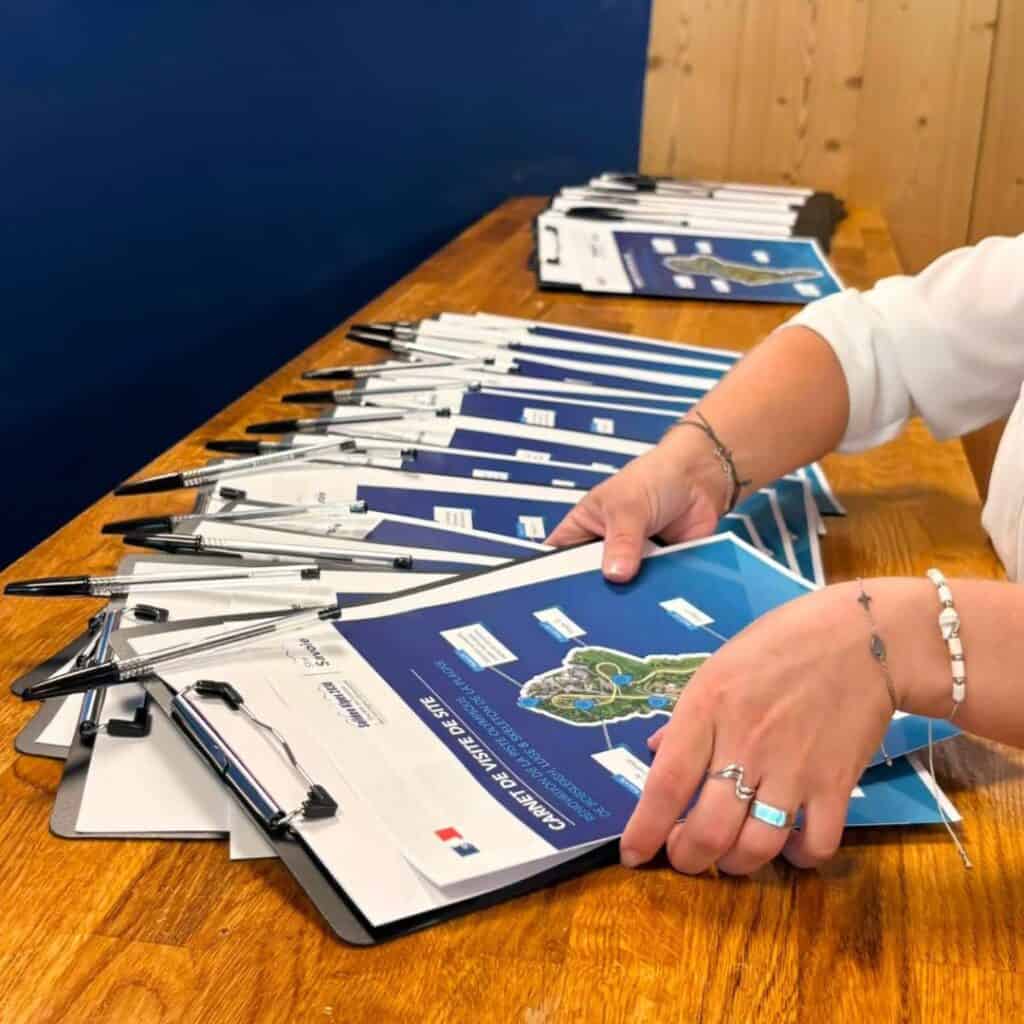
Questions covered:
- storage and workshop facilities for local clubs and athletes
- garages for sleds and luge equipment for athletes
- spectator viewing areas
- media facilities during the Games
- construction timescales and contingency plans if work is delayed
- the location of the temporary athlete village and whether Bozel is too far from La Plagne
There was also interest in the proposed valley lift project. This is the proposed new gondola which will run from Aime La Plagne in the valley up to Plagne Centre. It would have a mid-station at the bobsleigh track and if it goes ahead, is planned to be ready for the 2030 Olympics.
While no new announcements were made, organisers reiterated that its purpose is to reduce road traffic, lower carbon emissions and improve transport for residents, seasonal workers and visitors. A separate public consultation on the lift project is expected this autumn – and you know I'll be there reporting back for you all!
Another interesting moment came when one resident questioned why there was no representative from SAP (Société d'Aménagement de La Plagne) present during the meeting. SAP are the comany who manage and operate the La Plagne ski lifts and the resort in whole. Jean-Luc Boch responded directly to the question, highlighting some tensions between the many companies and organisations involved in running the ski resort and these Olympic projects. He talked at length on the different roles played by the organisations involved in the Olympic preparations.
Funding also attracted questions from the audience. While organisers discussed how the project will be financed, there was no detailed financial breakdown presented during the evening, despite the headline €43 million investment. I found this surprising as it really was the area that received the most questions. And although the speakers were well versed in their answers and clearly knew the breakdowns, there wasn't a single slide to present these numbers clearly.
What happens next?
Public consultation continues before the project moves into its detailed design phase. If you want to read the project details in full – todate of writing this (June 2026), the full Solideo La Plagne Bobsleigh Olympic 2030 press release is here.
If approved, construction is currently expected to take place during the summers of 2027, 2028 and 2029, allowing the track to continue operating throughout the winter seasons before the 2030 Winter Olympics.
For visitors, that means the famous Bob Raft, Bob Racing and Speed Luge experiences are expected to continue during the lead-up to the Games. Because yes, of course you can ride the bobsleigh when you're in La Plagne – it's a must-do activity!
Planning a trip to La Plagne before the Olympics? The resort will remain open throughout the preparations. If you're looking for somewhere to stay, I've put together guides to the best villages, hotels and self-catered accommodation in La Plagne.
My thoughts
Having spent time both on the track and at the public meeting, what struck me most was that this project isn't really about hosting two weeks of Olympic competition.
It's about ensuring one of La Plagne's most iconic sporting venues continues to attract athletes, visitors and international events for decades afterwards.
There are still plenty of unanswered questions, particularly around funding, spectator facilities and the wider Olympic infrastructure. But the direction is becoming much clearer.
Over the coming months and years, I'll continue following the project and updating both this article and my complete guide to La Plagne and the 2030 Winter Olympics as more details are announced.
