
That's La Plagne contains affiliate links and is a member of the Amazon affiliate program. If you make a purchase using one of these links, I may receive a small commission - at no extra cost to you. I never recommend anything I haven't experienced myself, and the commission helps me keep this site running at full speed! See my Disclosure Policy for extra information.
The Fascinating History of La Plagne: From Mines and Resistance to a World-Class Ski Resort

La Plagne, renowned today for its expansive ski slopes and mountain villages, holds a rich history that many visitors may not be aware of. From its early days as a mining hub to its critical role in World War II. And, of course, its transformation into a leading ski resort and its place in Olympic history, La Plagne’s past is as captivating as the landscapes that surround it.
The Birth of La Plagne: A Ski Resort with a Vision
La Plagne’s journey as a ski resort began in the early 1960s, a time when the region was facing economic hardship. Dr. Pierre Borrione, the mayor of Aime, spearheaded the initiative to develop the area into a winter tourism destination.
His vision was realised at Christmas 1961, when La Plagne opened with just two drag lifts serving four slopes, two hotels, a ski hire shop and a snack bar in a converted cowshed. Architect Michel Bezançon, hired by Dr Borrione in 1960, designed the new village of Plagne Centre, and ski champion Émile Allais shaped the slopes. The resort's first big lift, the Grande Rochette gondola, opened on 23 December 1965 – the ride to the top took eight minutes in little aluminium cabins!
As the 1960s and 1970s progressed, La Plagne rapidly expanded. New villages were created at various altitudes to cater to different types of visitors. Plagne Centre, with its distinctive 1960s modernist design, was the first, followed by villages like Plagne Bellecôte, Belle Plagne, and Plagne Villages. Each village reflects the architectural trends of its era, from the functional, concrete-heavy designs of the 60s to the more traditional Alpine styles that emerged later.
The most significant expansion came in 2003 with the creation of the Paradiski area, connecting La Plagne with the neighbouring resort of Les Arcs via the Vanoise Express cable car. This development created one of the world’s largest interconnected ski areas, offering over 425 kilometres of pistes and attracting skiers from all corners of the globe.
The first thing you need is this
Get my La Plagne deals straight to your inbox:
- Transfer codes
- Accommodation deals
- Ski lesson sales
- Ski hire offers

A Legacy of Lead and Silver: The Mining History of La Plagne
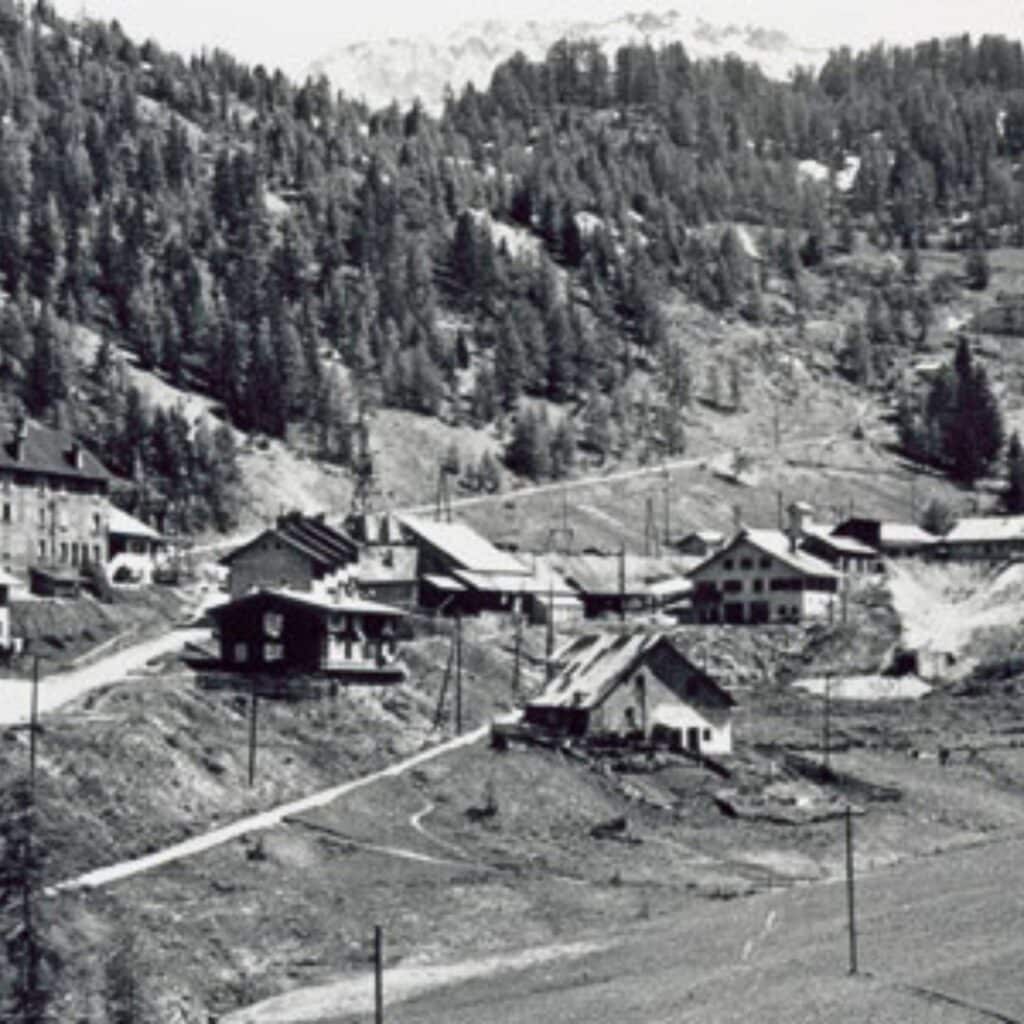
Long before La Plagne became synonymous with skiing, it was known for something entirely different—mining. The area was rich in galena, a mineral from which lead and silver are extracted. Mining activities in the region date back to Roman times, but it was during the 19th and early 20th centuries that the industry truly thrived.
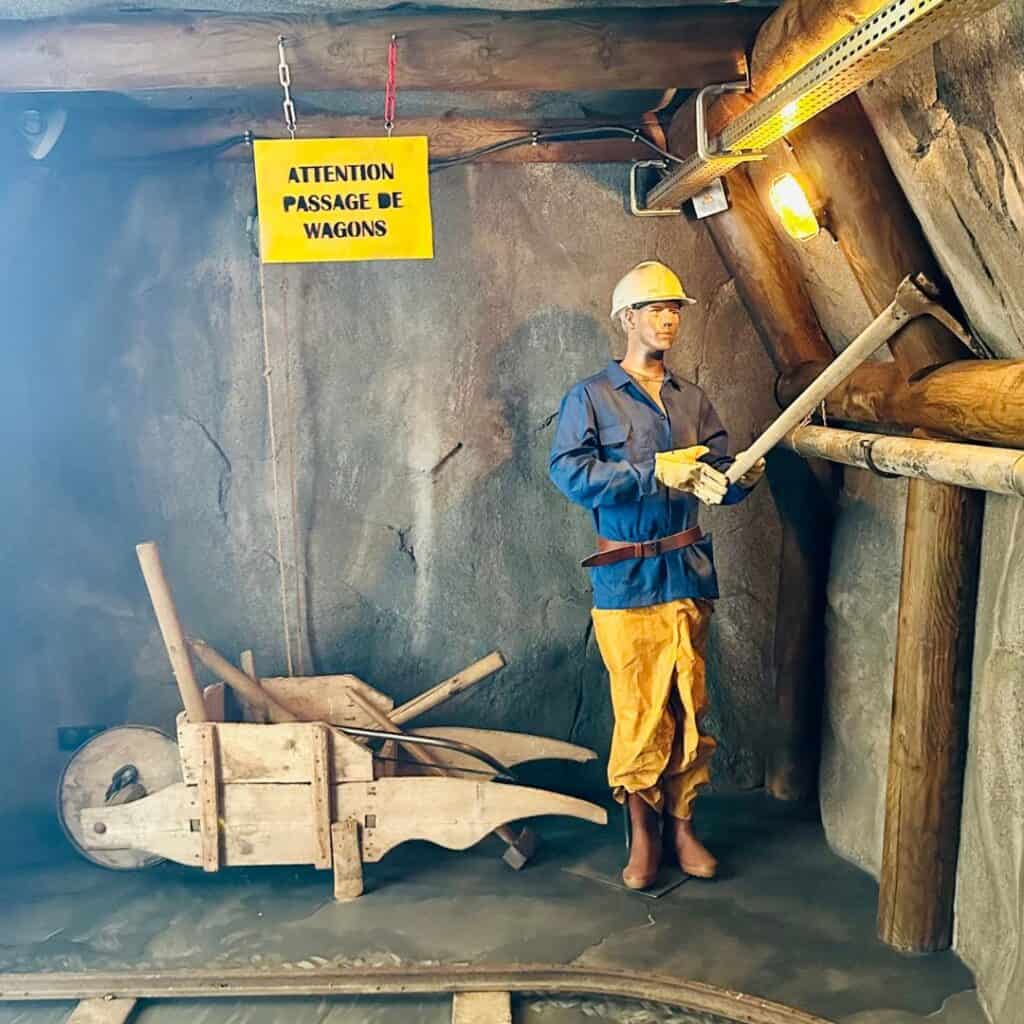
The mines, particularly in the villages of Longefoy and La Roche, were central to the local economy. Hundreds of miners worked in challenging and dangerous conditions to extract these valuable resources. The mining industry brought significant development to the region, including roads, housing for workers, and even a small railway to transport the ore.
However, by the mid-20th century, the mines began to decline as the deposits were exhausted and extraction costs rose. The mines were eventually closed in the early 1960s, around the same time that La Plagne’s ski resort was being developed. The shift from mining to tourism marked a significant transformation in the region’s economy and identity.
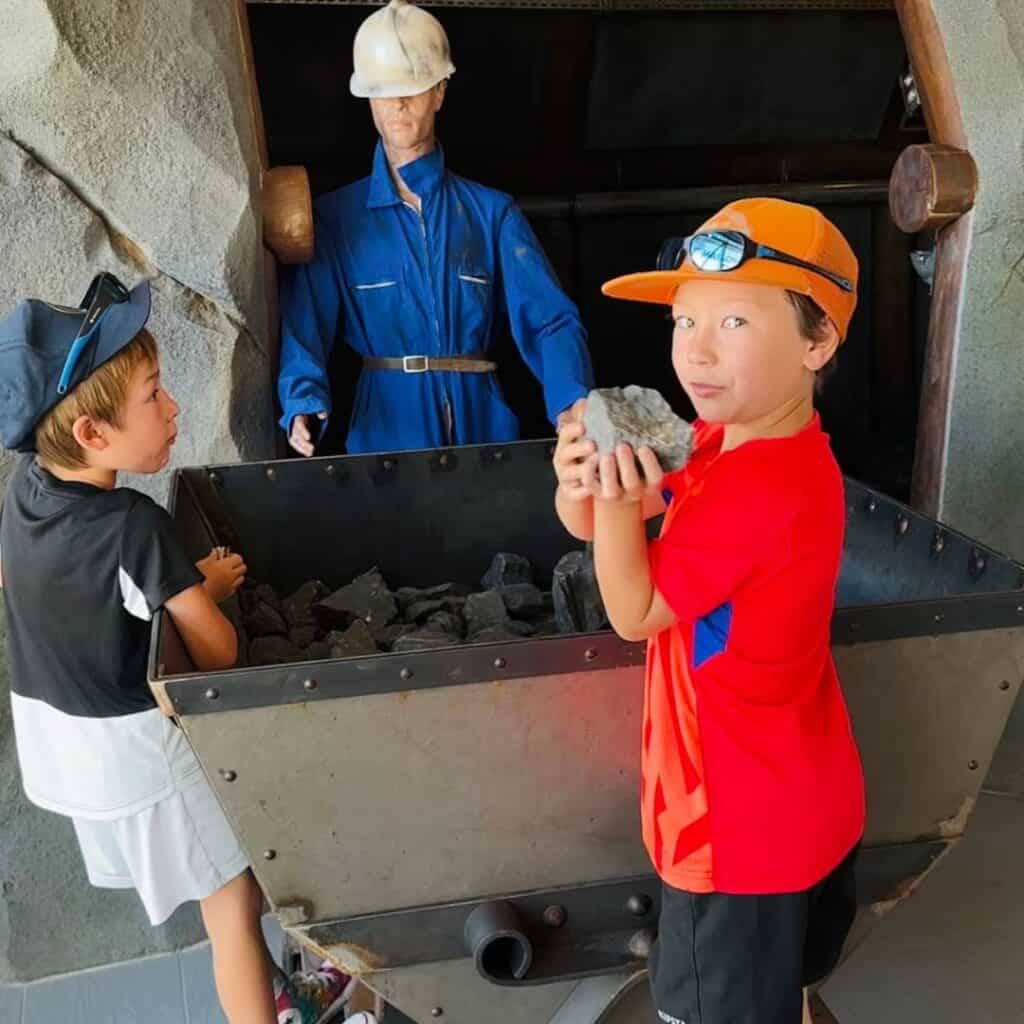
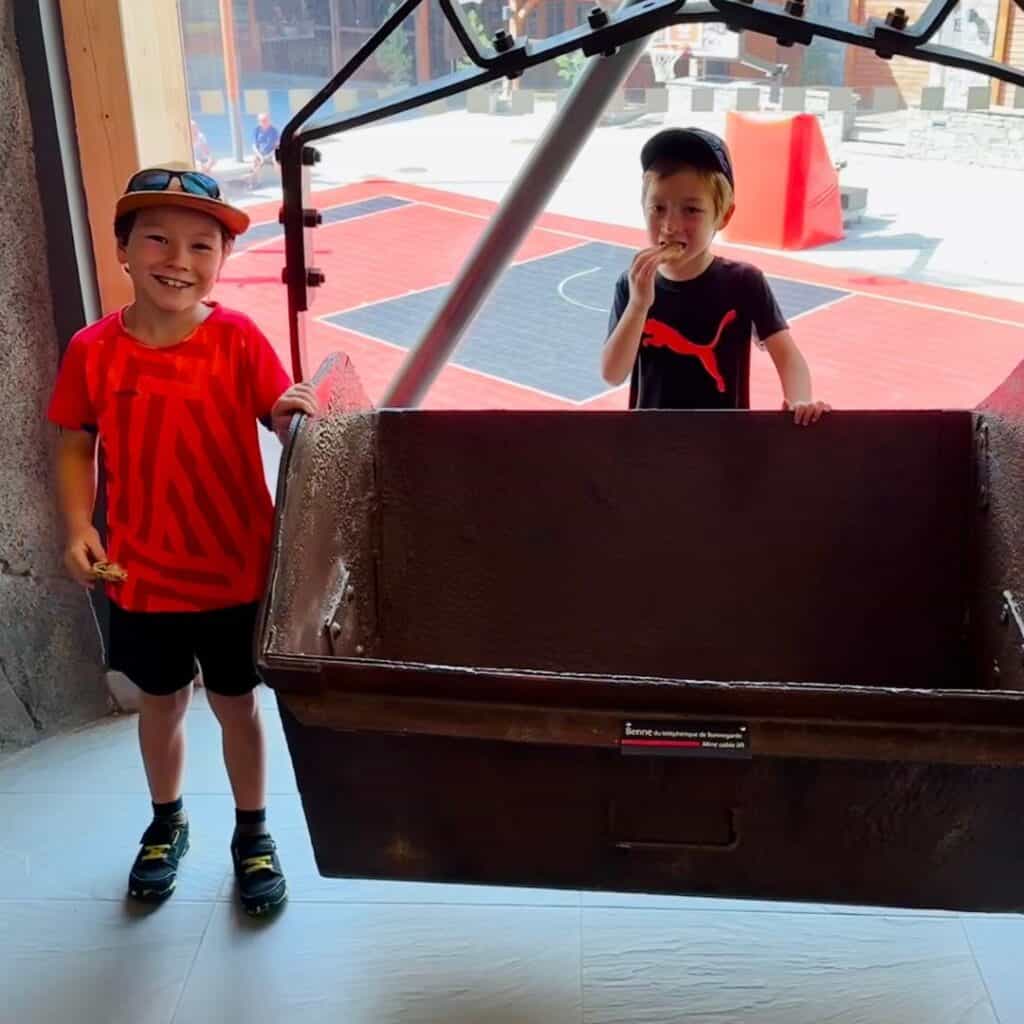
For those interested in this aspect of La Plagne’s history, remnants of the mining era can still be found. Some old mine buildings and shafts remain in the area, particularly around Longefoy and La Roche, serving as silent witnesses to the region’s industrial past. And of course, the La Mine après ski pub in Plagne 1800, which is decorated with old mining equipment, including old mining trucks for tables.
Resistance and Resilience: La Plagne During World War II
La Plagne’s story isn’t complete without acknowledging its crucial role during World War II. The rugged, isolated terrain of the French Alps made the area a perfect base for the French Resistance, known as the Maquis. These brave men and women fought against the Nazi occupation and the Vichy regime, using the mountains for cover as they carried out their missions.
One of the most significant events occurred on March 10th and 11th, 1944, when the Allies parachuted over 120 containers of guns, explosives, and other supplies into La Plagne. These supplies were vital for the local Resistance fighters, enabling them to intensify their sabotage efforts against German forces. The airdrop provided not just the necessary tools for combat but also a significant morale boost for the Resistance and the local population, strengthening their resolve in the face of adversity.
The memory of this event is preserved in Plagne Centre, where a memorial plaque and an aeroplane statue stand just opposite and to the left of the main bus station. The statue represents the aircraft used in the operation, and the plaque details the courageous actions of the Resistance fighters. This site is a poignant reminder of the area’s wartime history and the bravery of those who fought for freedom.
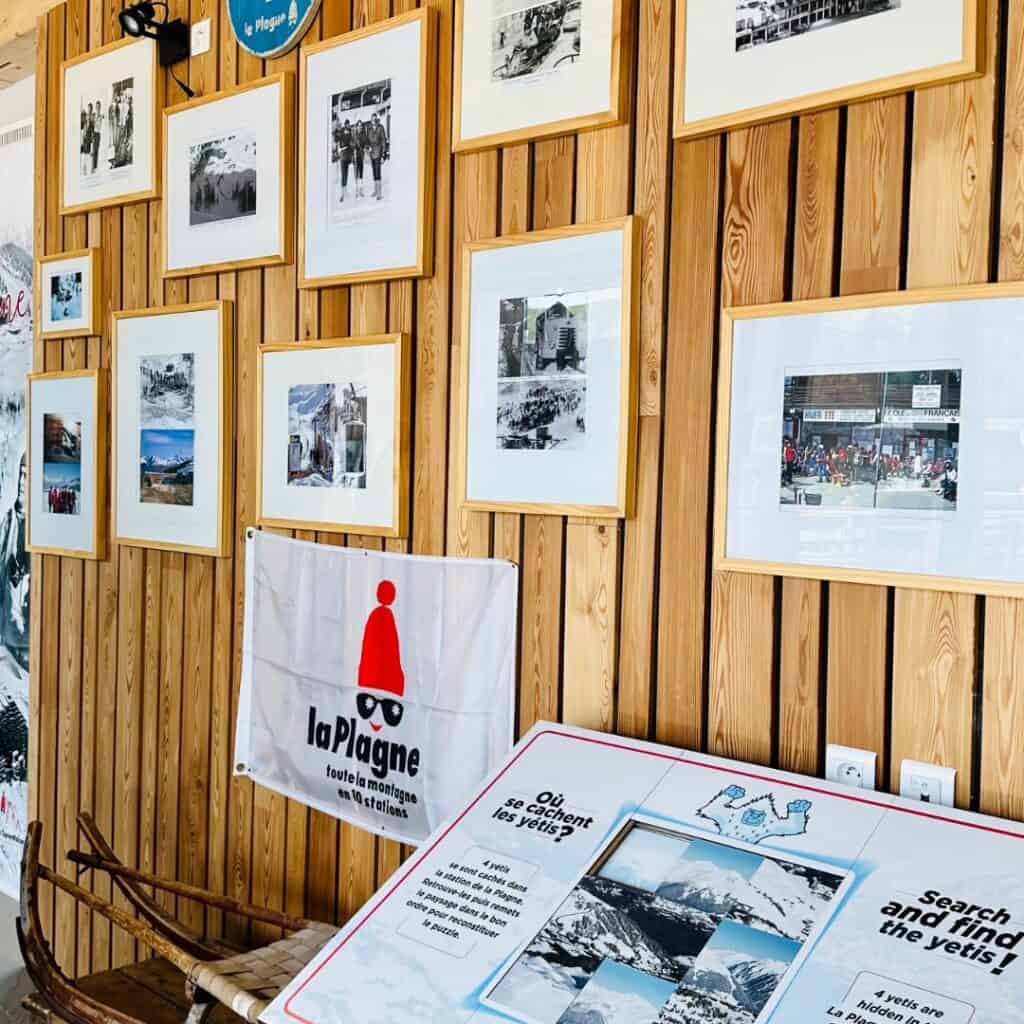
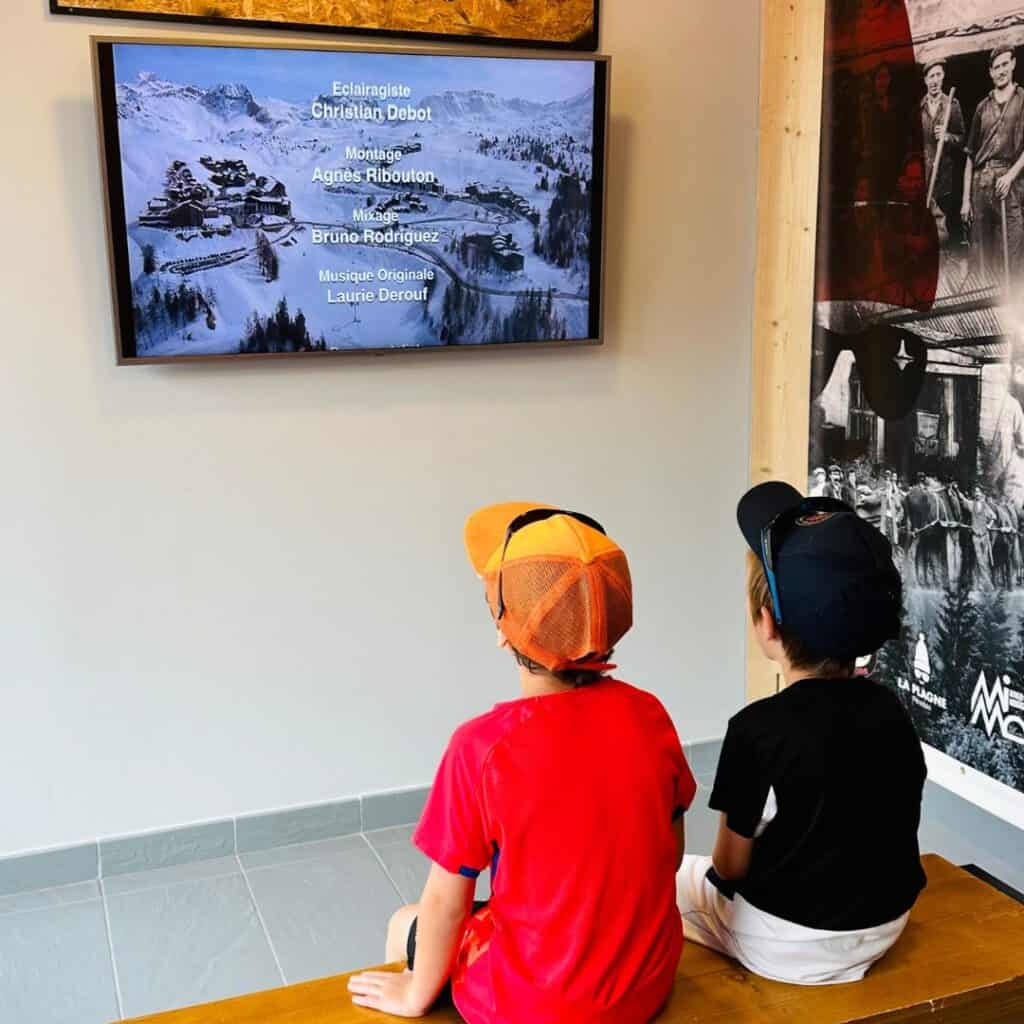
For a deeper understanding of La Plagne’s involvement in World War II, as well as its broader history, the small museum in Plagne Centre is a must-visit. Located above the main bus station, the museum offers a rich collection of exhibits covering various aspects of La Plagne’s past.
Olympic Glory: The Bobsleigh Track and the 1992 Winter Olympics
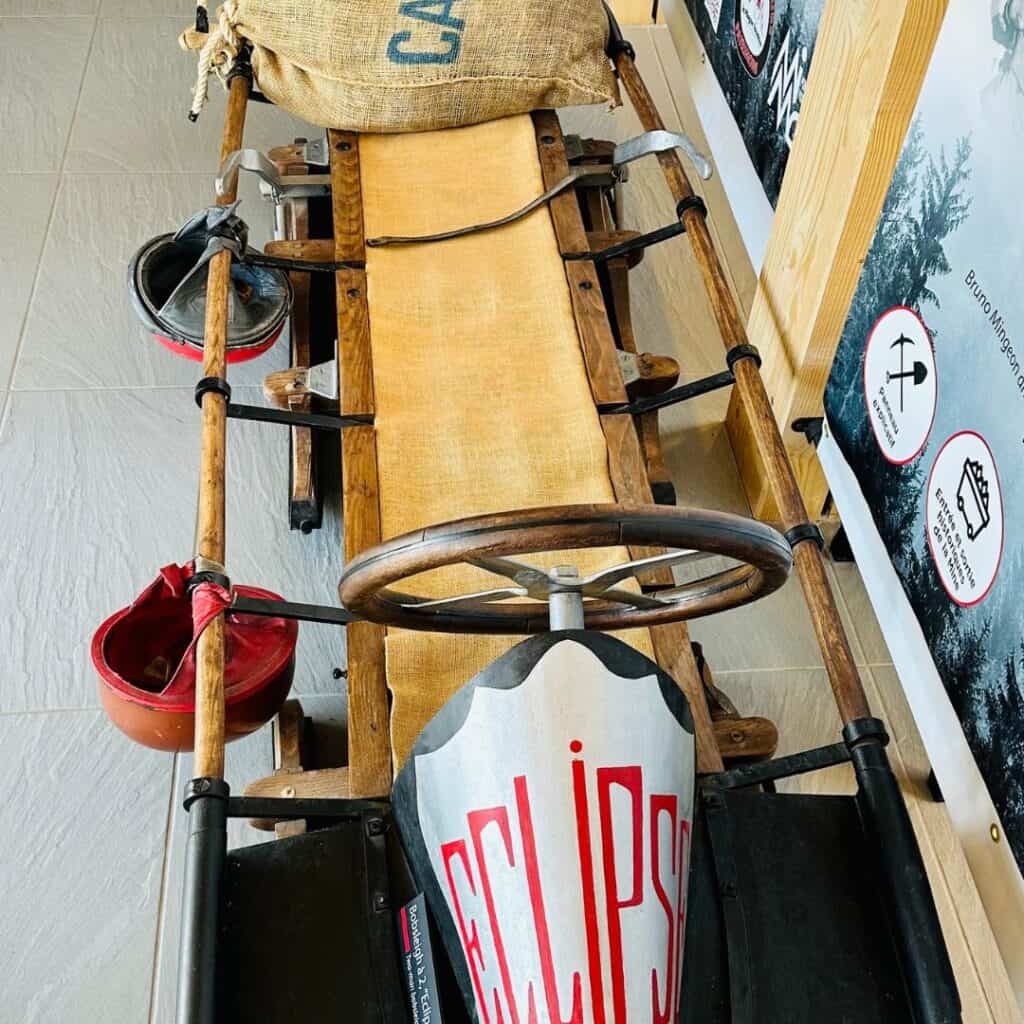
The 1992 Winter Olympics marked a turning point for La Plagne, bringing international attention to the resort. As part of the Olympic preparations, a bobsleigh track was constructed in La Plagne, solidifying its place on the world stage. The track, which is still operational today, remains one of only a few in France and continues to attract thrill-seekers and athletes alike.
Visitors to La Plagne can experience the adrenaline of a bobsleigh or skeleton ride on the same track that hosted Olympic athletes. The La Plagne bobsleigh track is one of only a few professional tracks that allow visitors to also race down – it’s an incredible adventure and well worth doing if you’re looking for an adrenaline rush! More about riding the La Plagne bobsleigh track here. The track has also been the site of numerous competitions and events since 1992, reinforcing La Plagne’s status as a premier destination for winter sports.
Looking ahead, La Plagne is preparing to once again welcome the world as France, and La Plagne, host the Winter Olympics in 2030. The return of the Olympics to the region will undoubtedly bring renewed attention to La Plagne’s historical and sporting legacy.

The Plagne Centre Museum: A Window into the Past
The museum in Plagne Centre is a treasure trove of historical information, providing visitors with a comprehensive overview of the region’s history. It includes detailed exhibits on:
- Ski Resort Development: The museum delves into the creation and growth of La Plagne as a ski resort, from the construction of the first ski lift in 1961 to the expansion into the Paradiski area. Photographs, models, and historical documents illustrate how La Plagne evolved from a small village into one of the world’s leading ski destinations.
- Mining Heritage: The museum showcases the mining history of the area, with displays of tools, maps, and personal stories from the miners who once worked in the mountains. This section of the museum highlights the importance of mining to the local economy before the rise of tourism.
- World War II and the Resistance: The museum also features exhibits dedicated to La Plagne’s role during World War II, including the March 1944 airdrop. Visitors can learn about the Resistance fighters who operated in the area, view artefacts from the war, and gain insight into the struggles and triumphs of the local population during this challenging period.
- The Bobsleigh Track and the 1992 Winter Olympics: A section of the museum is dedicated to the 1992 Winter Olympics in Albertville, where La Plagne played a key role as a host site for bobsleigh events. The museum provides insights into the construction of the bobsleigh track, its use during the Olympics, and its ongoing role in the resort’s sporting culture.
That's La Plagne & Its Remarkable History
La Plagne’s history is a tapestry woven from the threads of industry, war, sport, and tourism. From its early days as a mining community to its role in the Resistance during World War II, and from the creation of its ski resort to its place in Olympic history, La Plagne has continually evolved while maintaining a deep connection to its past.
Whether you’re exploring the small museum in Plagne Centre, visiting the memorial dedicated to the Resistance fighters, or racing down the bobsleigh track, you’re engaging with a place that has seen and survived countless changes over the years. La Plagne is more than just a ski resort—it’s a living testament to the resilience and spirit of the French Alps.
See you on the slopes!
